

This post may contain affiliate links. Please read our disclosure policy.
This gluten free bread flour works best to make bread dough that behaves the most like you remember. Make shaped breads with a taste you’ll love.
I started a revolution of gluten free yeast bread when I published Gluten Free on a Shoestring Bakes Bread in 2013. This is the gluten free flour blend at the center of it all!
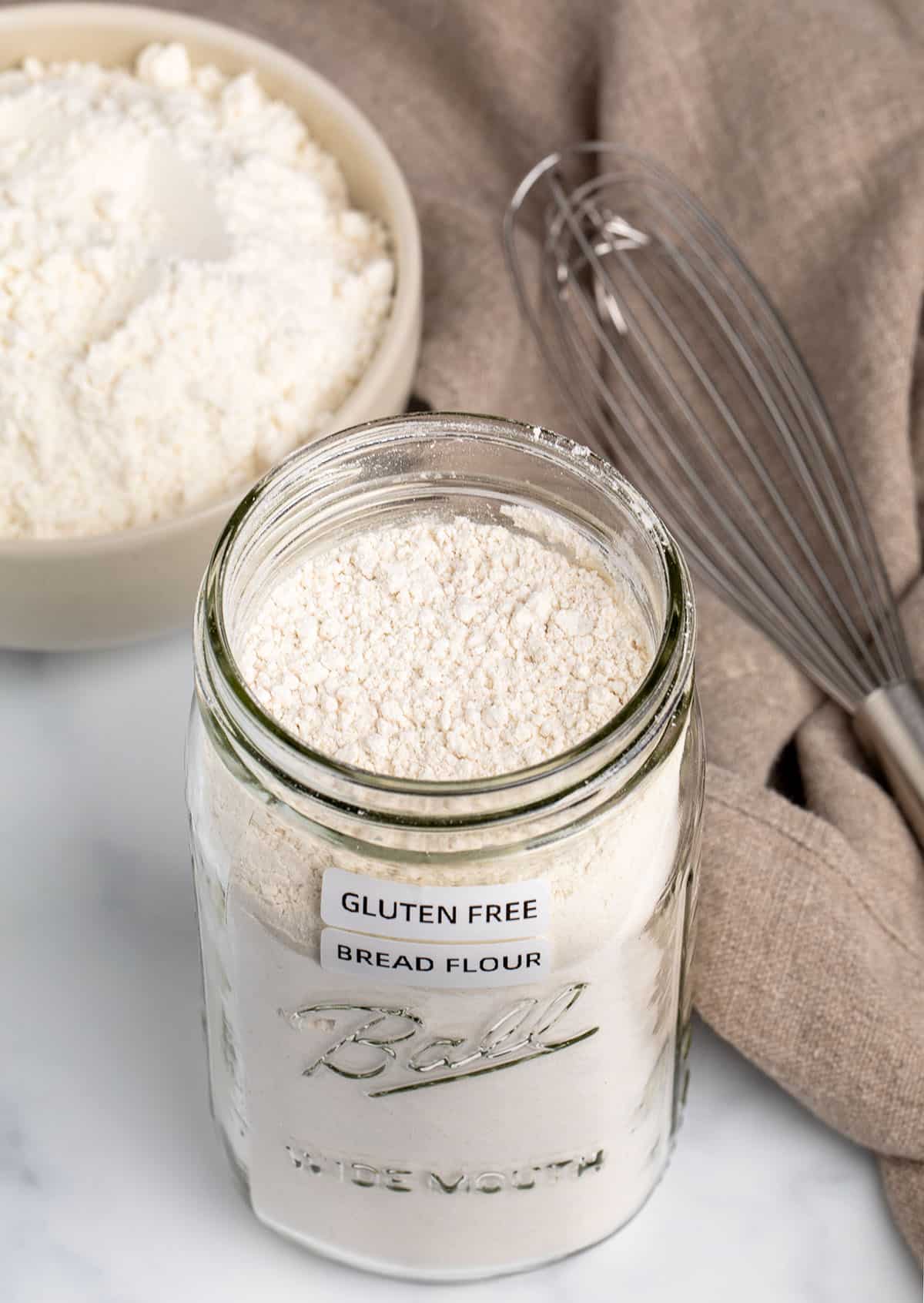
What makes this blend special
My gluten free bread flour, first introduced in my bread cookbook, GFOAS Bakes Bread, in 2013, is made by combining 3 ingredients: whey protein isolate, modified tapioca starch, and a high quality all purpose gluten free flour like Better Batter's original gluten free blend. Together, they will open up the universe of what is possible with gluten free yeast bread.
Baking recipes that call for this gluten free bread flour is an experience much more like what you might expect when you're baking conventional yeast bread. The dough isn't overly wet like the batter-style of bread.
The breads you'll make with this gluten free bread flour appear different when raw, and taste different when baked. They have more internal structure and don't need to rely on eggs for additional structure like most gluten free breads.
Breads made with this blend using recipes that are developed for it often can handle 2 rises, like conventional wheat bread, one before and one after shaping. That means that the dough is easier to handle still, and there is even more flavor development in the yeast.
Recipe ingredients
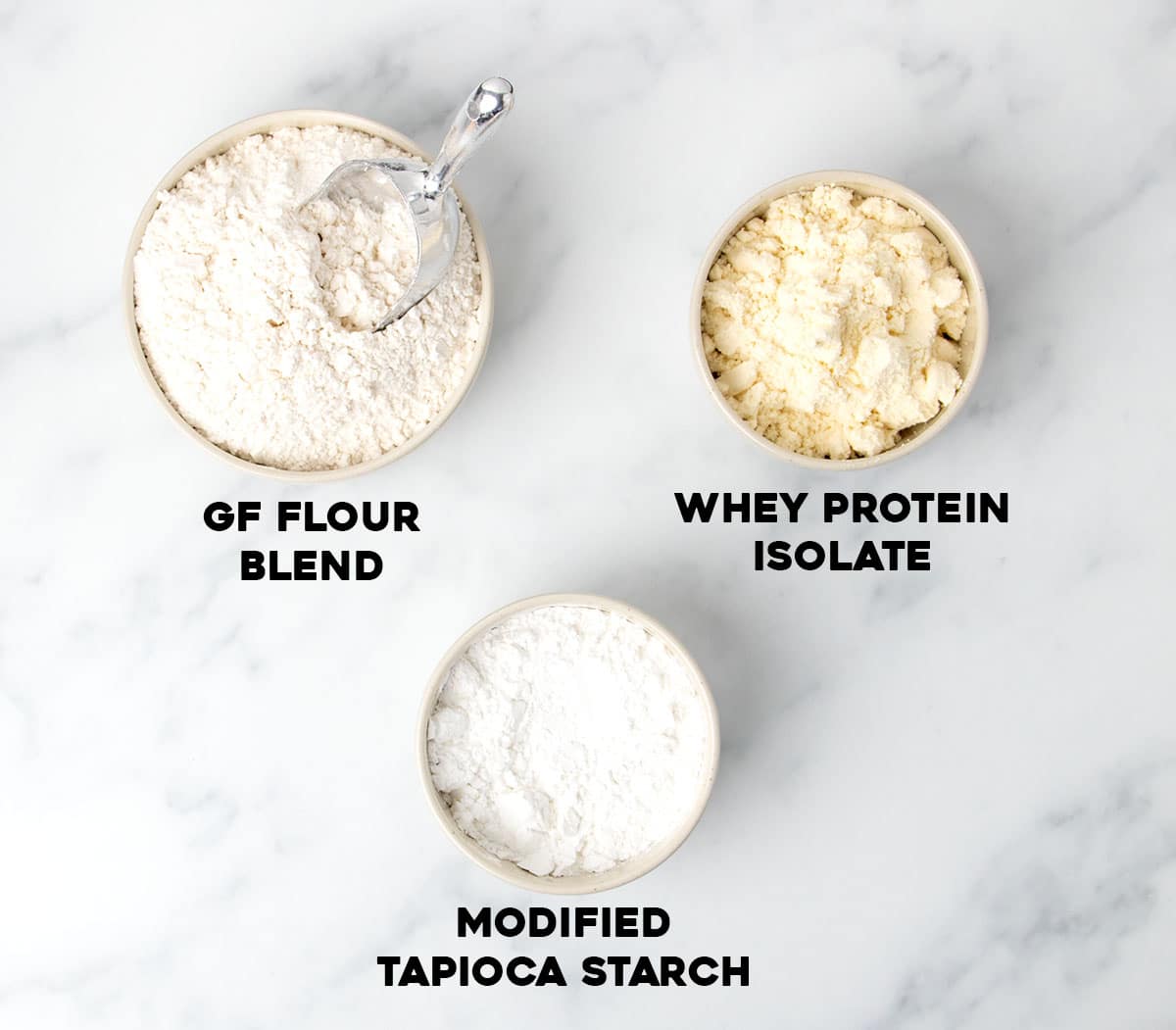
- All purpose gluten free flour blend: I developed this blend using Better Batter's classic blend as the base. It also works with Nicole's Best multipurpose gluten free flour blend. You can also always use my “mock” Better Batter gluten free flour, or this 4-ingredient blend that contains (to make 1 cup):
- 90 grams (about 9 tablespoons) superfine white rice flour (64%)
- 31 grams (about 3 1/2 tablespoons) potato starch (22%)
- 15 grams (about 5 teaspoons) tapioca starch (11%)
- 4 grams (about 2 teaspoons) xanthan gum (3%)
- Whey protein isolate: an unflavored protein powder that is nearly 100% protein. I like Opportuniteas brand, Isopure brand, and many others.
- Modified tapioca starch/Expandex: Expandex is a chemically modified tapioca starch that helps create amazing stretch and chew to gluten free breads. It is chemically (not genetically) modified, and is not the same as and cannot be replaced with regular tapioca starch/flour. There are many ways to buy it on Amazon.
- If you can't find Expandex in your country, you can use Ultratex 3 in its place, which seems to be about 3 times as strong. Use 1/3 as much Ultratex 3 as Expandex by weight, and increase the other ingredients by 5 grams each per cup.
How to make gluten free bread flour
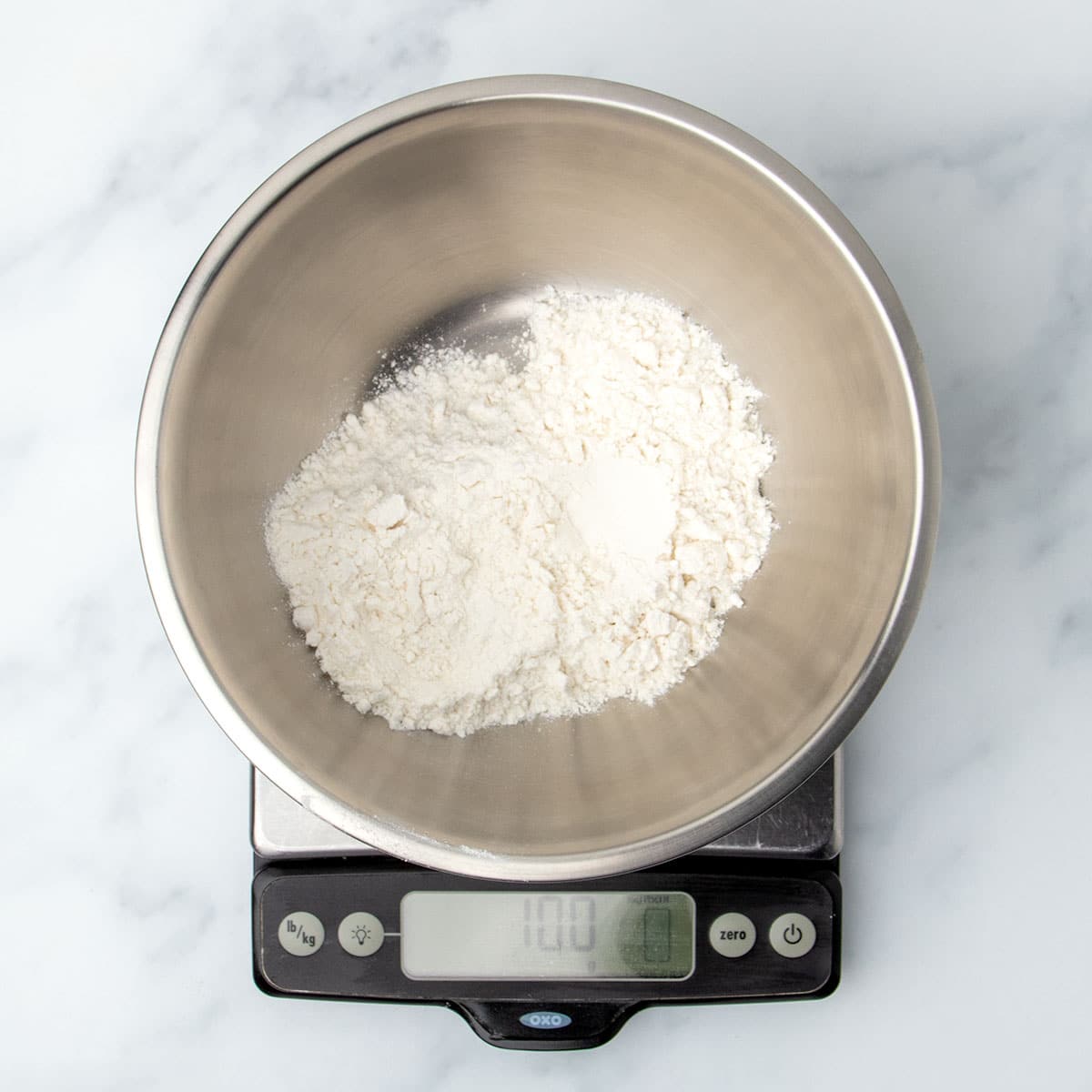
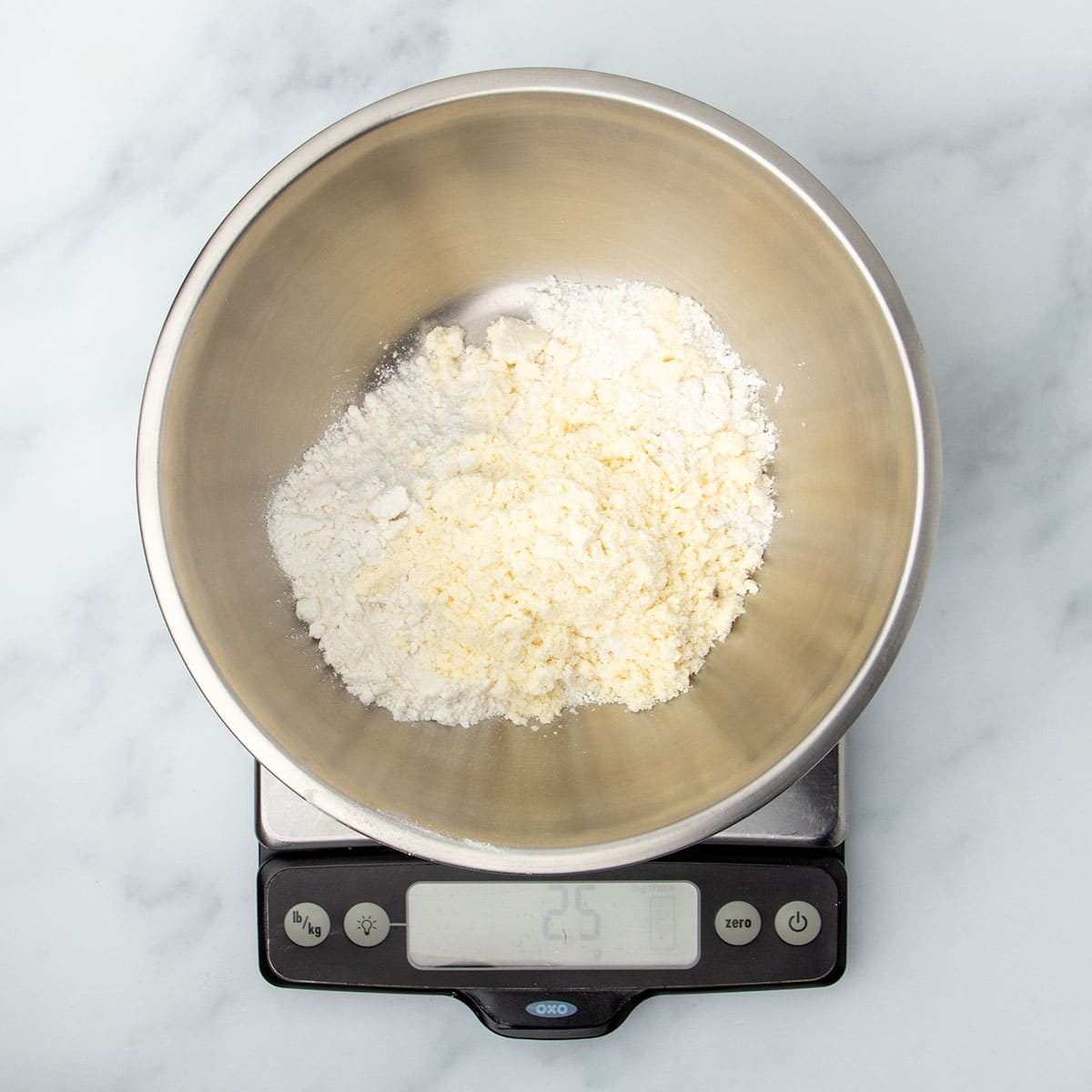
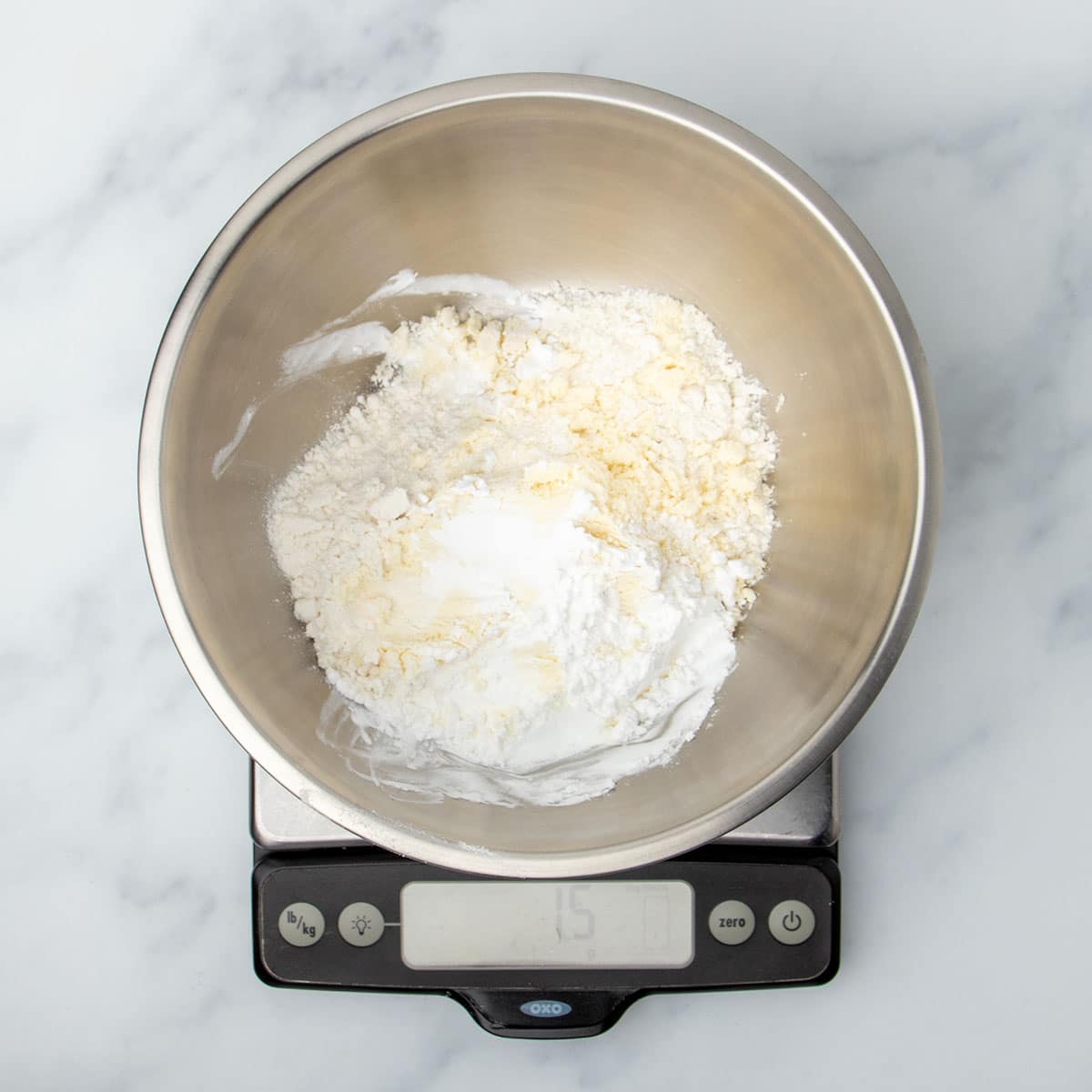
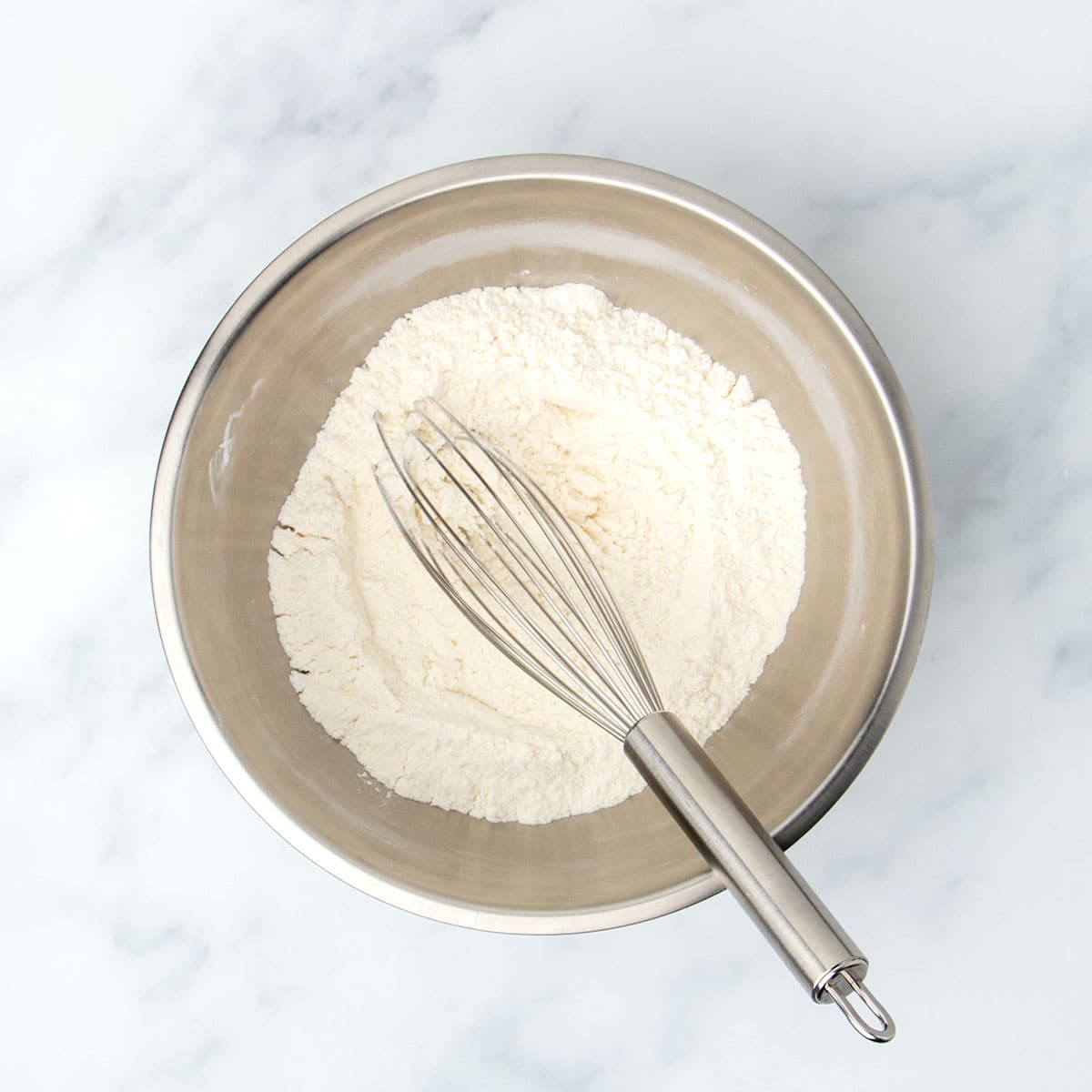
To make 1 cup (140 grams) gluten free bread flour, you'll need a simple digital kitchen scale. Simply place a bowl on the scale and press the “tare” button to zero its weight. Add gluten free flour until the display reads 100 grams, then tare that weight. Add 25 grams of whey protein isolate, tare, and 15 grams Expandex modified tapioca starch. Whisk together well.
Ingredient substitutions
Dairy free
Whey protein isolate is the only protein powder that truly works to make my gluten free bread flour. I've had limited success with rice protein isolate and pea protein isolate in place of whey protein isolate, but you will need to add 50% more water to the bread recipe. That will create more of a batter-style gluten free bread recipe that just isn't as easy to shape. I think you're better off using our older style of gluten free bread recipe, like our gluten free bread recipe.
Potato-free
Better Batter uses two kinds of potato products: potato starch, and potato flour. There is no substitute for potato flour, but in place of potato starch, you can use arrowroot or cornstarch. Try using the 4-ingredient all purpose gluten free flour blend made from superfine white rice flour, potato starch, tapioca starch, and xanthan gum, and replace the potato starch with arrowroot or cornstarch.
Modified tapioca starch
You can use either Expandex and Ultratex 3 to make this blend, but you can't make it without some form of modified tapioca starch.
Expert tips
Measure by weight
For consistent results in baking, use a simple digital kitchen scale. I have a more expensive one from OXO with a pull-out screen, but Escali makes a great digital kitchen scale that costs about $25. Dry volume measurement containers like cups are not standard in size, and it's not possible to avoid human error. When you're dealing with small amounts of different dry ingredients, a scale is the way to go.
Use the right whey protein
Whey protein isolate is not the same as whey protein concentrate, which has more fillers and less protein. Each 28 grams (1 ounce) of whey protein isolate should have about 25 grams of protein. Look at the nutrition label and make sure it's about 89% protein (25/28 = 89%).
Use the right recipes
My gluten free bread flour blend only works in gluten free recipes that were specifically designed for it, like our gluten free crescent rolls. If you try to use this blend in our classic gluten free bread recipe, which calls for an all purpose gluten free flour blend, it won't work.
Packaged gluten free bread flour
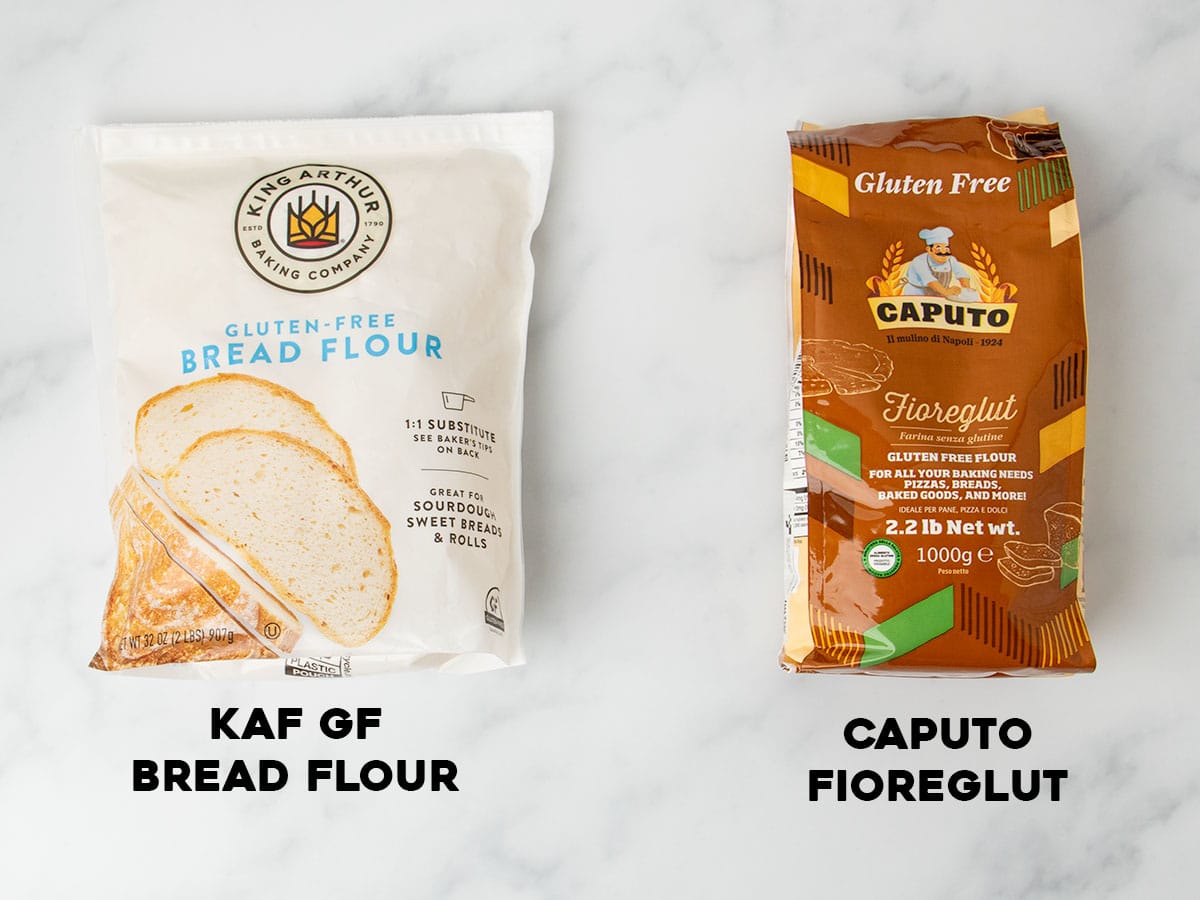
There are two packaged gluten free flour blends that I have found work in my gluten free bread flour recipes. They both contain gluten free wheat starch, though, so they are not appropriate if you're allergic to wheat. They are:
- King Arthur Flour Gluten Free Bread Flour: Contains gluten free wheat starch, corn starch, cellulose and psyllium fiber blend, sorghum flour, pea protein, xanthan gum, and enzymes. It behaves most similarly to my bread flour blend.
- Caputo Fioreglut: Contains gluten free wheat starch, dextrose, maize starch, buckwheat flour, rice starch, psyllium seed fibre, guar, flavoring. It absorbs more moisture than my gluten free bread flour, and does not brown very well since it's so high in starch. You might try increasing the liquid in the recipe by 10% to compensate.
Breads to make with this flour
Here are gluten free bread flour recipes. Two of them are reprinted recipes from GFOAS Bakes Bread. The rest I created after the book was already published, to share here on the blog.
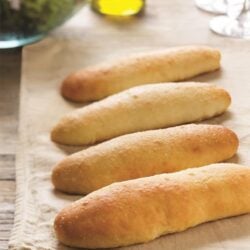
Soft Gluten Free Breadsticks
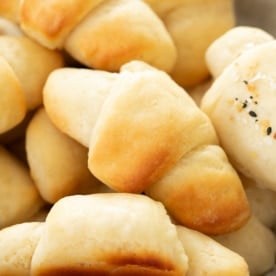
Gluten Free Crescent Rolls
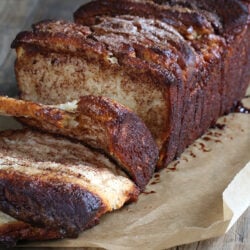
Gluten Free Pull Apart Bread
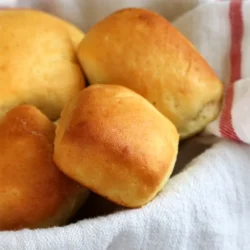
Gluten Free Texas Roadhouse Rolls
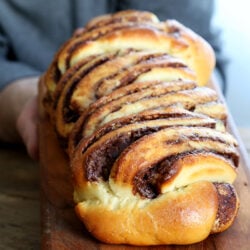
Gluten Free Braided Nutella Bread
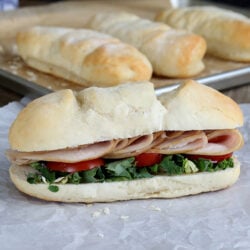
Gluten Free Subway Rolls
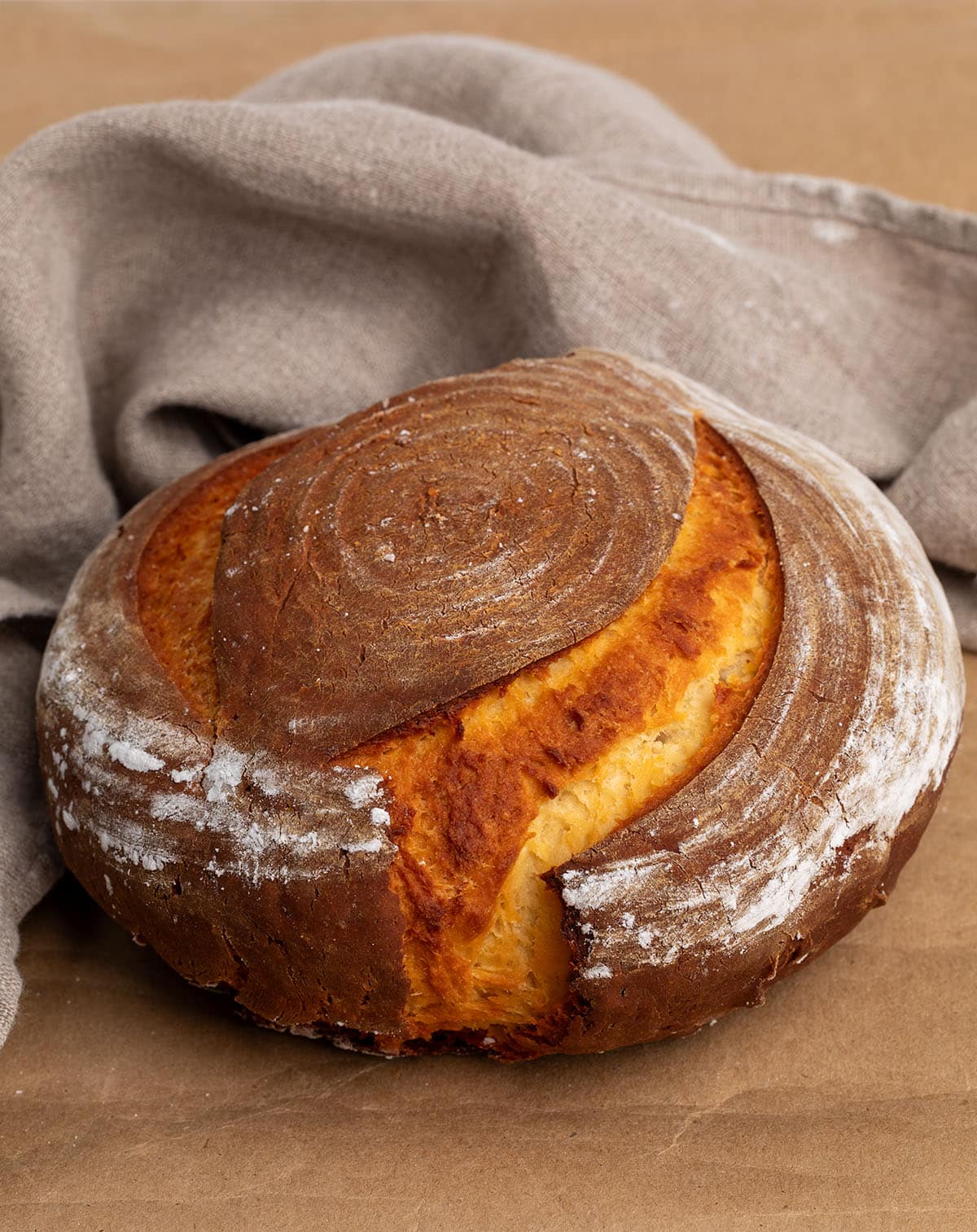
Gluten Free Bread Flour Recipe

Equipment
Ingredients
For bread flour with Expandex
- 100 grams all purpose gluten free flour blend, (71% of total) (See Recipe Notes)
- 25 grams unflavored whey protein isolate, (18% of total)
- 15 grams Expandex modified tapioca starch, (11% of total)
For bread flour with Ultratex 3
- 105 grams all purpose gluten free flour blend , (75% of total) (See Recipe Notes)
- 30 grams unflavored whey protein isolate, (21% of total)
- 5 grams Ultratex 3, (4% of total)
Instructions
How to use a kitchen scale.
- To make a gluten free flour blend of any kind, you will need a simple digital kitchen scale.
- Activate the scale by pressing the power button and allowing it to fully turn on.
- With nothing weighing it down, it will read “0”. You will be weighing in grams, which may not be the default unit of measurement. Switch to grams if necessary by pressing the appropriate button on your scale.
- Place a container large enough to hold however much flour you intend to create on the scale. Press “tare” again to zero out the weight of the container.
- Add your flour(s) one at a time to the bowl until the display reads the right number of grams of that flour. You may add the first ingredient somewhat carelessly since you can remove some flour if you add too much.
- Press the “tare” button to zero out the weight of that flour. Add the rest of the ingredients, pressing “tare” in between. Whisk and store.
To make bread flour
- If you are using Better Batter as purchased or you have already created my mock Better Batter blend using the method described above, your task is quite simple.
- Follow the instructions above to add the appropriate amount of Better Batter, tare, appropriate amount of whey protein isolate, tare, and the appropriate amount of Expandex or Ultratex 3.
- Place the blend in a container with a tight-fitting lid, whisk to combine well, and place in a well-sealed container in a dark, dry location.
- If you have to first create mock Better Batter or my Make It Simpler blend described above, first do that, making as many cups as you would like by multiplying every ingredient in the list by as many cups as you would like to create and store.
For multiples.
- To make multiple cups of bread flour, simply multiply each ingredient by the number of cups. Follow the method above, and store as directed.
Video
Notes
Nutrition
Nutrition information is automatically calculated, so should only be used as an approximation.
Storage instructions
This flour blend will stay fresh for as long as its individual flour blends. Check the expiration dates on the components and take note of the nearest date as the “best by” date of your blend.
Store it in a sealed container in a cool, dark pantry, or in the refrigerator or freezer for longer storage. The whey protein will clump when cold, so be sure to let it come to room temperature before using it, and whisk it well to remove any clumps.











Ingredients used in recipe for bread are not available in Australia so unsure what brands to replace them with.
As I explain in the post, Frances, I have a resources page with as much information as possible on sourcing outside the U.S.
Potato Flour and Potato Starch??? – I can only seem to find Potato Starch Flour in NZ?? Could i use that for both the Potato Starch and the Potato Flour elements??
Potato starch is not the same thing as potato flour (also sometimes called potato starch flour). Potato starch is just the starch, washed from crushed potatoes, then dried. Potato flour is made from whole peeled potatoes that have been cooked and dried, ground into powder. You need both to create the mock Better Batter.
I have used several of your flour mixes for years (Mock Better Batter / Better than C4C). Question about the bread flour, can I use this to make a boule or baguette?
Thanks.
Hi, Andrea, you need a recipe to do that, but yes. You can’t use it cup-for-cup in a conventional bread recipe, if that’s what you’re asking. I have recipes for every type and shape of bread in my bread book, and quite a few others here on the blog that I’ve linked to in this post. But there is no such thing as a ‘cup for cup’ gluten free flour.
I routinely make yogurt. In the process I end up with About 8 cups of whey That I currently toss in the garden or down the drain. Could I substitute fresh whey for the whey powder?
I’m afraid not, Heather. Whey protein isolate is nearly 100% protein, and your whey most definitely is not. Plus it’s liquid, not a protein powder. You can definitely use that whey in place of milk in any recipe that calls for milk, though!
Tks a trillion Nicole for all your efforts for we gluten free people.
You’re so welcome, Kathleen! We gluten free have to stick together. ?♂️
I usually use King Arthur measure for measure for baking. I have not had the courage to try any bread recipes yet, due to time, but am getting the courage up to try.
Can I use the KA gf flour instead. And for a first time, which bread recipe would you recommend to try first.
Thank you for all you do for the gluten free community.
Donna
I’m afraid not, Donna. I don’t recommend that flour. Please see my gluten free flour blends page for full information. It’s linked in every instance that I call for an all purpose gluten free flour blend. I think you’re best off starting with a bread recipe that doesn’t use the bread flour. Maybe the gluten free artisan bread recipe? Our gluten free white sandwich bread is also a great place to start. Be sure to measure by weight, not volume, and don’t make substitutions if you don’t have to, and you’ll do great.
Good morning, question: do you use regular tapioca starch in your flour blend and only use the Expandex when using the blend to make bread flour? Thanks
Hi, Cindy. Expandex modified tapioca starch is completely different from simple tapioca starch/flour. I only ever use Expandex (or Ultratex 3) when I have specified it. They aren’t interchangeable. I do sometimes use Expandex in recipes even when I’m not using the full bread flour blend, but I always specify. I hope that helps!
Hey Nicole! Thank you for all of the time you put into creating these recipes; they’ve really helped me as a gluten-free (very) amateur baker. One thing I’ve been wondering about for a while when measuring Better Batter flour by weight is that on the nutrition facts for Better Batter, 1/4 cup is listed as 28 g, which would make one cup 112 g. On your recipes though, one cup is listed as equal to 140 g. Have I been doing weight/volume conversions wrong?
Hi, Avery, there is no standardization of volumetric containers. That’s a large part of why it is essential to weigh ingredients rather than measure them by volume. It isn’t instructive to compare the two, since there is user error and variation, which we weigh to eliminate. It doesn’t matter how Better Batter (or anyone else, for that matter) determines a cup size. It only matters what the recipe developer intends. I hope that’s helpful!
I just used your bread flour blend in a recipe last night for Korean flower-shaped buns. I actually used your steamed bun dough recipe since these are steamed buns. We were amazed at how wonderful they turned out. I’ve always had issues with the better batter in the bread flour blend (maybe it’s because of the intense humidity of my region, they come out a bit dense and gummy) but I’ve found Pamela’s Artisan flour blend to turn out as beautiful as all of your recipes in the Bakes Bread book. Thanks for this post dedicated to the flour, I was wondering about the possibility of using the Make It Simpler blend in the bread dough since supplies are hard to come by these days. You’re the best!
I’m really surprised that you had luck with using Pamela’s artisan flour blend to make bread flour, Julie. I haven’t historically had any luck with Pamela’s blends, but maybe I should give it another try? And yes! You can always use the Make It Simpler blend. Oh, if I had only given that a better name…
Question……in Canada I am out of Pomona pectin, any sub. I can use…?
Hi, Annette, I’m afraid you must use pure powdered pectin for the mock Better Batter. There is no substitute. If you can’t find that, try the “Make It Simpler” blend instead.