

This post may contain affiliate links. Please read our disclosure policy.
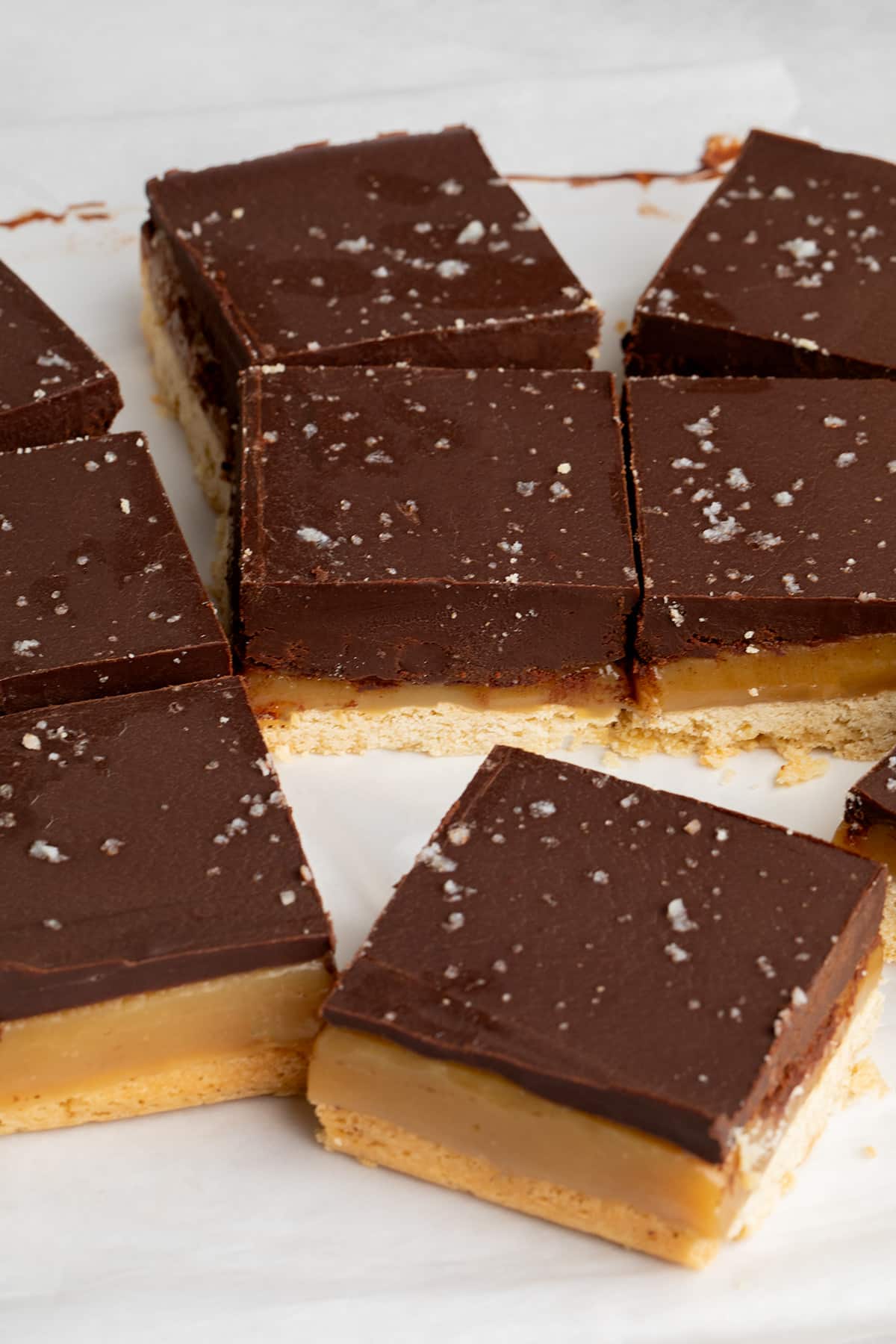
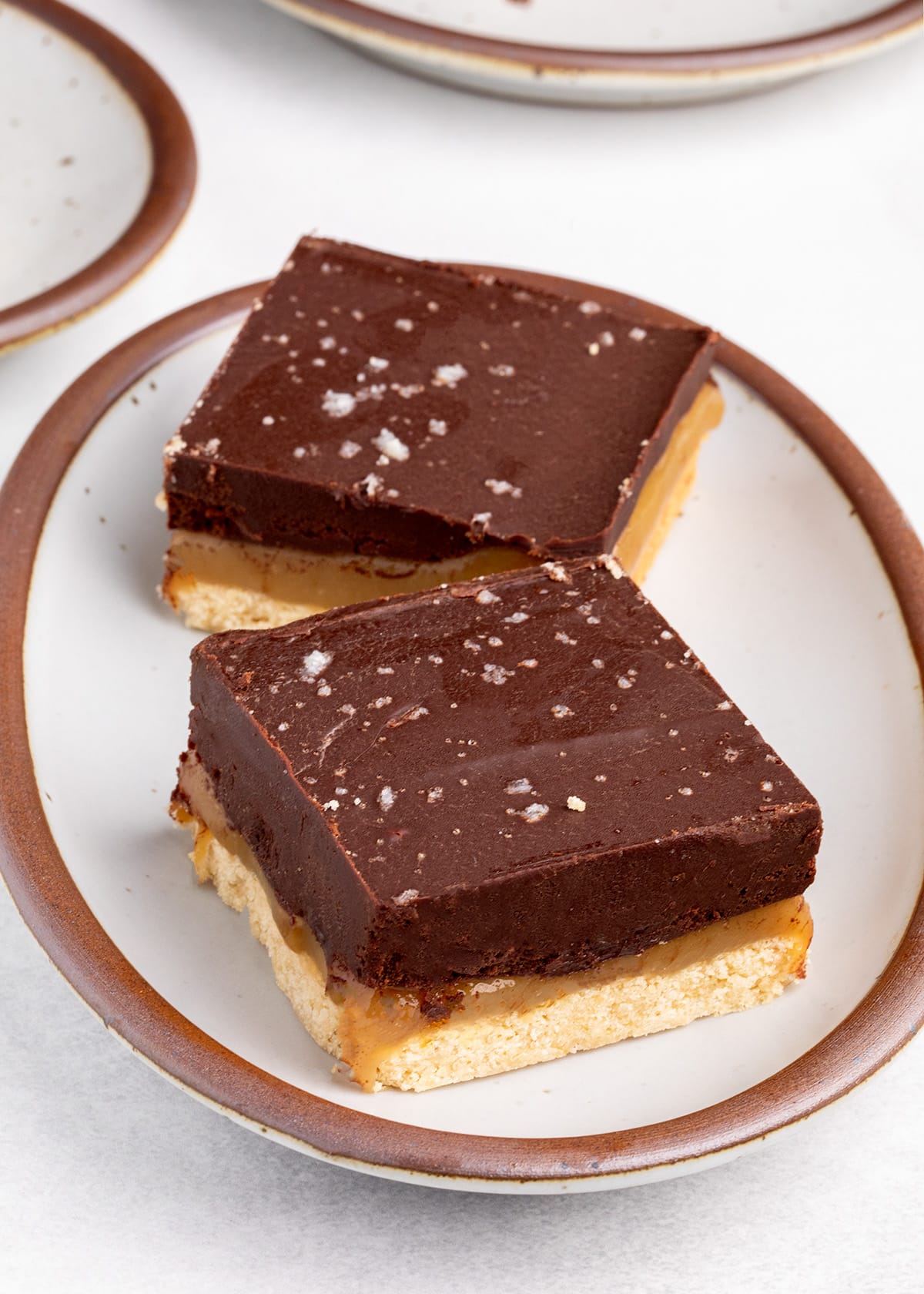
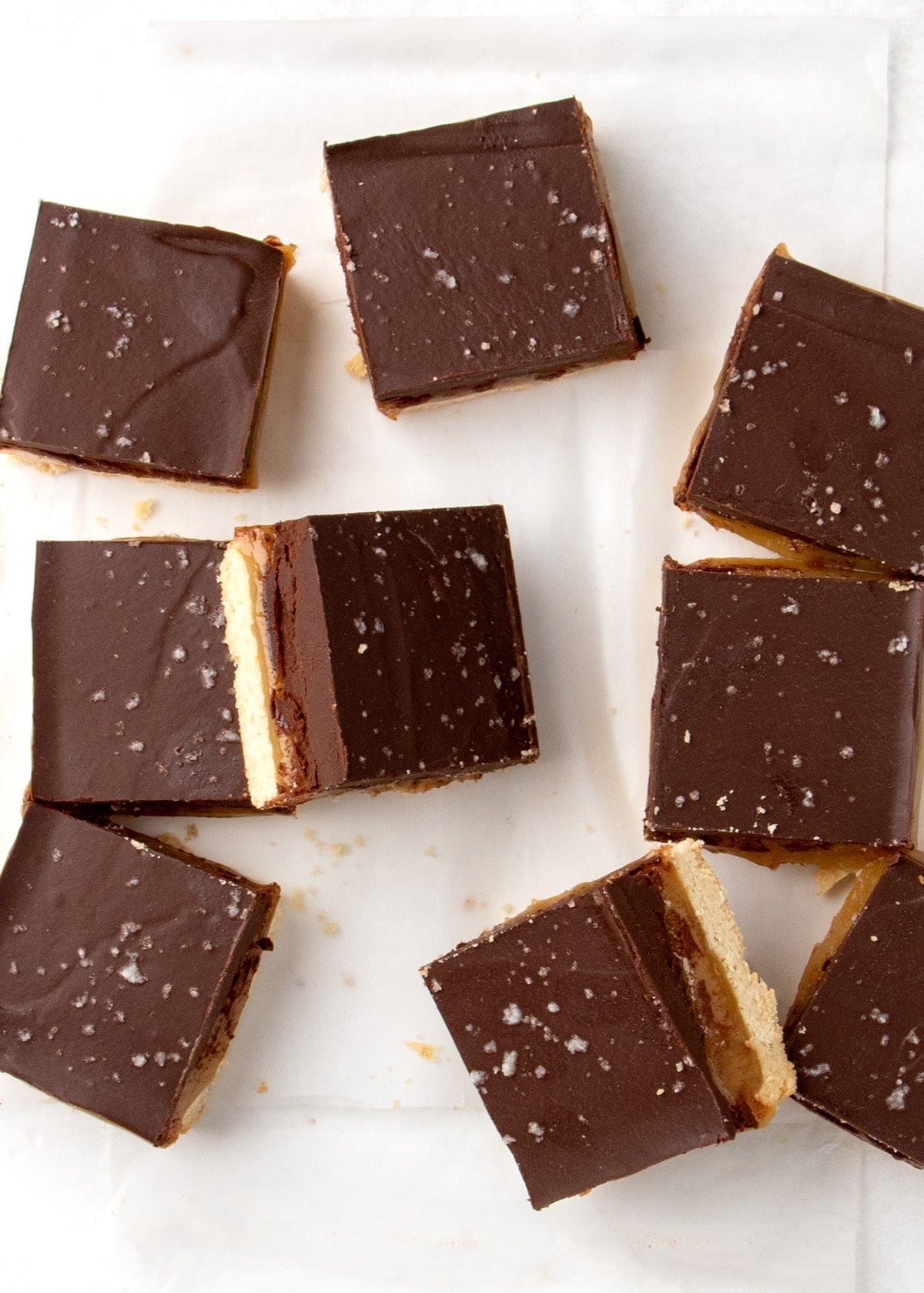
This gluten free millionaire’s shortbread, also known as caramel shortbread, has three rich layers: tender brown sugar shortbread, chewy caramel, and smooth chocolate ganache.
It looks like a bakery-style project, but I’ll walk you through each simple layer and show you how to streamline the recipe without sacrificing flavor!
Why this recipe works
The caramel is the part that usually makes people nervous, but here it's so easy! I cook it in the microwave, with clear visual and texture cues to help you stop at just the right moment.
The ganache is firm enough to hold its shape cleanly at room temperature, but soft enough that it won’t crack apart when you slice or bite into it.
There's also plenty of room to simplify. You can make all three layers from scratch, or use a no-bake gluten free cookie crust, melted Kraft caramels, or both shortcuts whenever you want!
Recipe ingredients
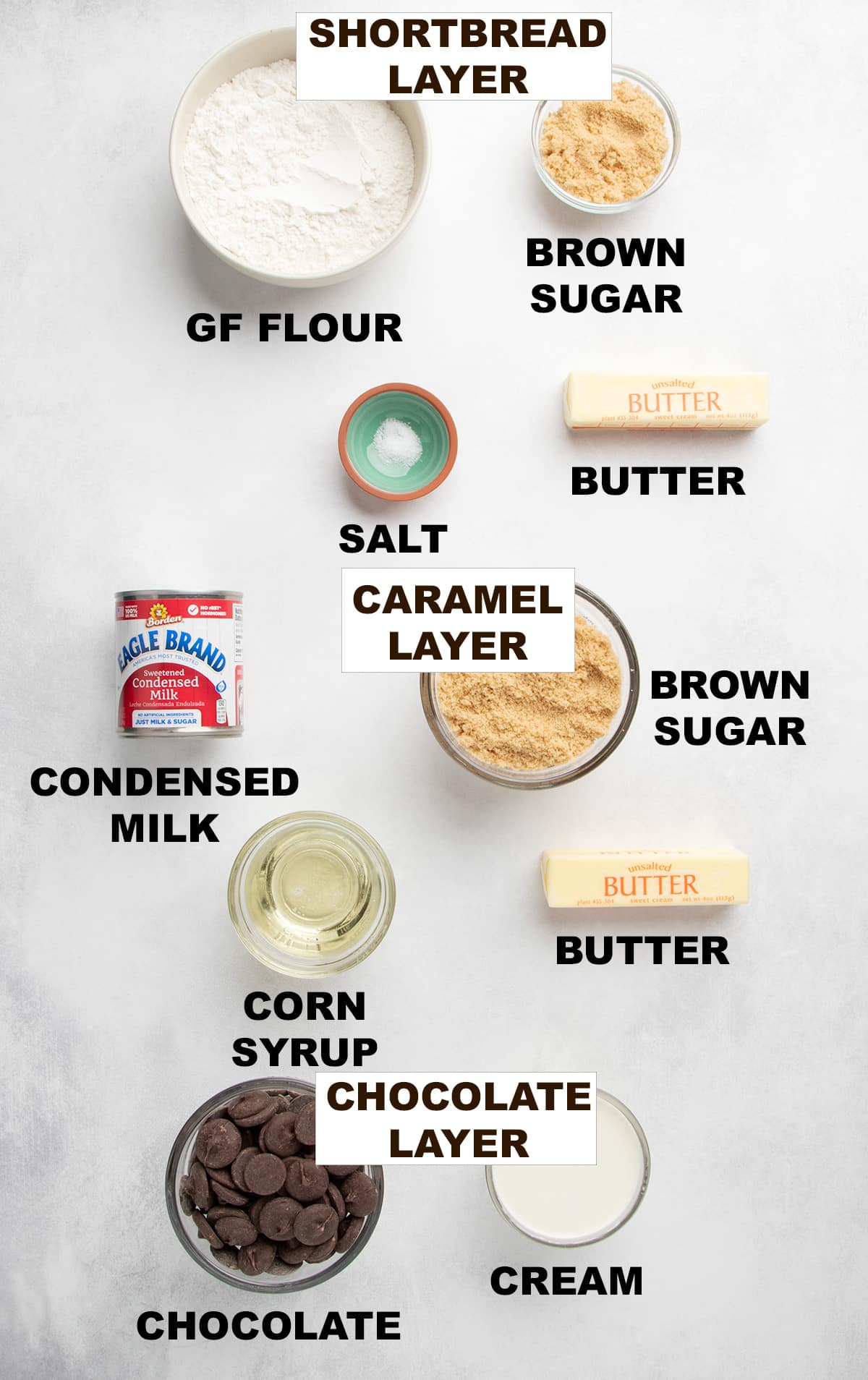
Here's what you'll need to make all 3 layers of these gluten free caramel shortbread bars, with the role each plays in a successful result. See the recipe card for full ingredient amounts.
Shortbread Layer
- Gluten free flour: Provides all the structure for the shortbread, so you need something well-balanced like Better Batter's classic all purpose gluten free flour blend, Nicole's Best with added xanthan gum, or Bob's Red Mill gluten free 1-to-1 in the blue bag.
- Salt: Brightens the other flavors.
- Butter: Adds buttery flavor, smooth mouth feel, and moisture to bring the mixture together.
- Light brown sugar: Adds sweetness, flavor from the molasses, and locks in moisture for a tender crumb.
Caramel Layer
- Sweetened condensed milk: Contains sugar that has already been cooked into milk, reducing extra moisture and a shortcut to a rich caramel flavor.
- Light brown sugar: Adds more sweetness, brown color, and a butterscotch-style flavor regardless of how much you cook the caramel.
- Butter: Adds buttery flavor and richness, and creates a smooth, creamy mouthfeel.
- Light corn syrup: Adds sweetness and prevents the sugar from crystallizing and becoming grainy.
Chocolate Ganache Layer
- Chocolate: Adds the base for this layer's rich chocolate flavor and is the reason the ganache solidifies after it cools.
- Cream: Heated gently to melt the chocolate and create a smooth, creamy emulsion. The more cream there is, the looser the cooled ganache will be.
How to make gluten free millionaire's shortbread (step by step photos)
This visual overview illustrates how to make this recipe in your own kitchen, with the reason behind each step. Don't be intimidated by all the photos, as there are 3 parts, but they're all super easy I promise!
Cream butter and sugar for shortbread
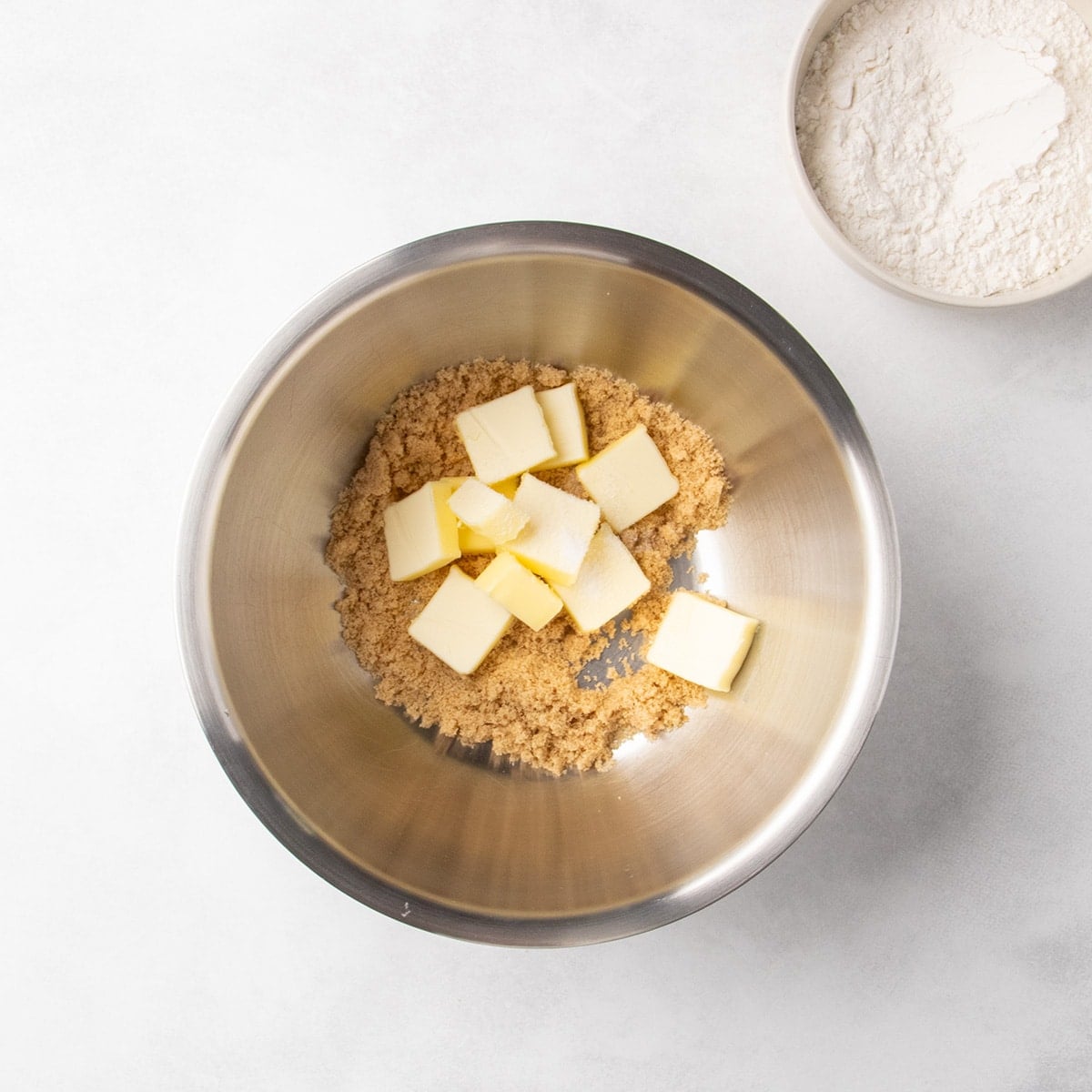
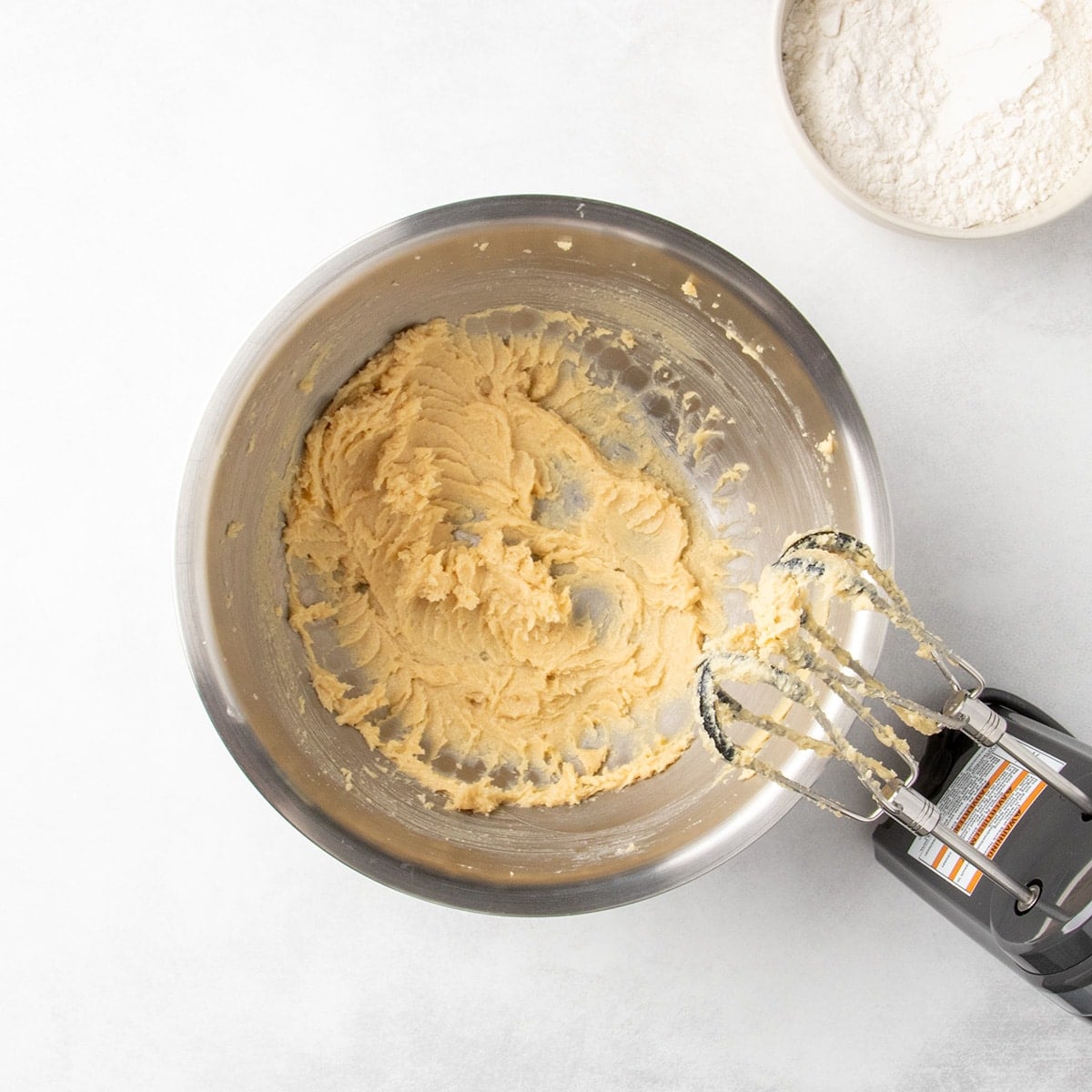
The shortbread layer is the only part that you bake, and sits on the bottom of the pan. Like when we make British gluten free shortbread, beat room temperature butter and brown sugar for about 3 minutes or until very light and fluffy. This traps air in the butter and helps dissolve the sugar by cutting it into the fat, creating a melt-in-your-mouth, delicate crumb.
Mix in flour
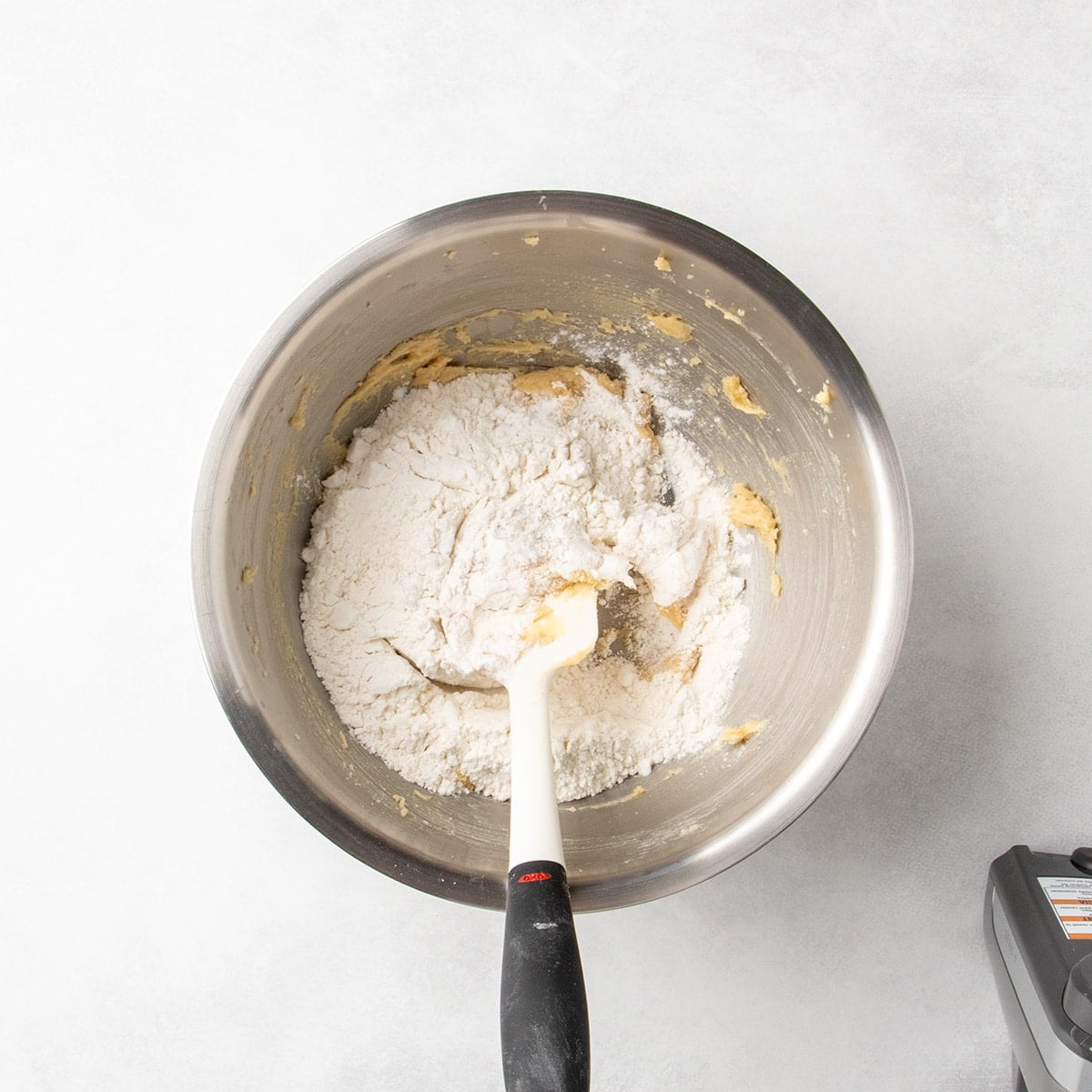
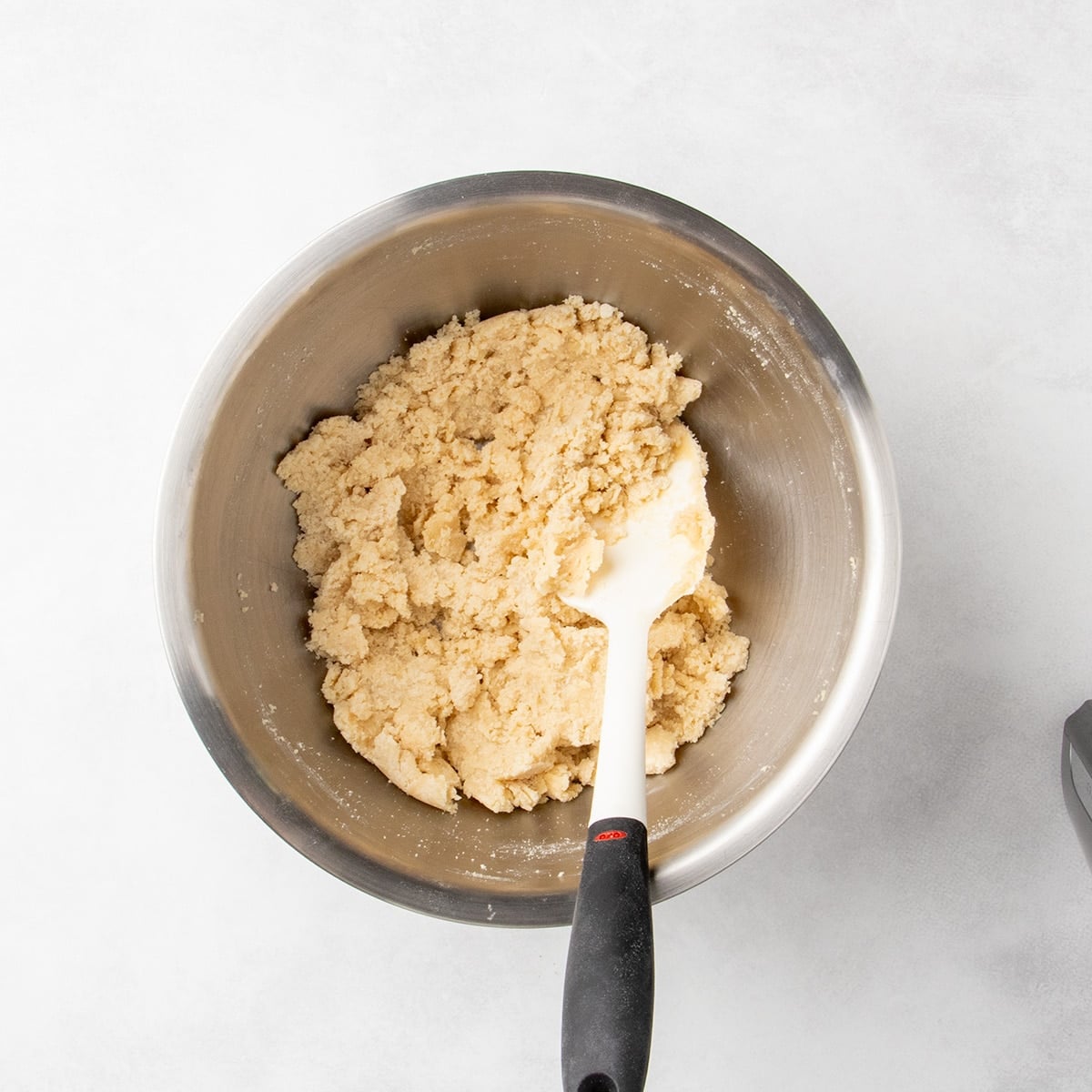
Mix the flour blend in until the butter and sugar mixture absorbs it. You can use a mixer, or just keep pressing turning the mixture over and pressing down gently until the dough comes together.
Spread the shortbread mixture
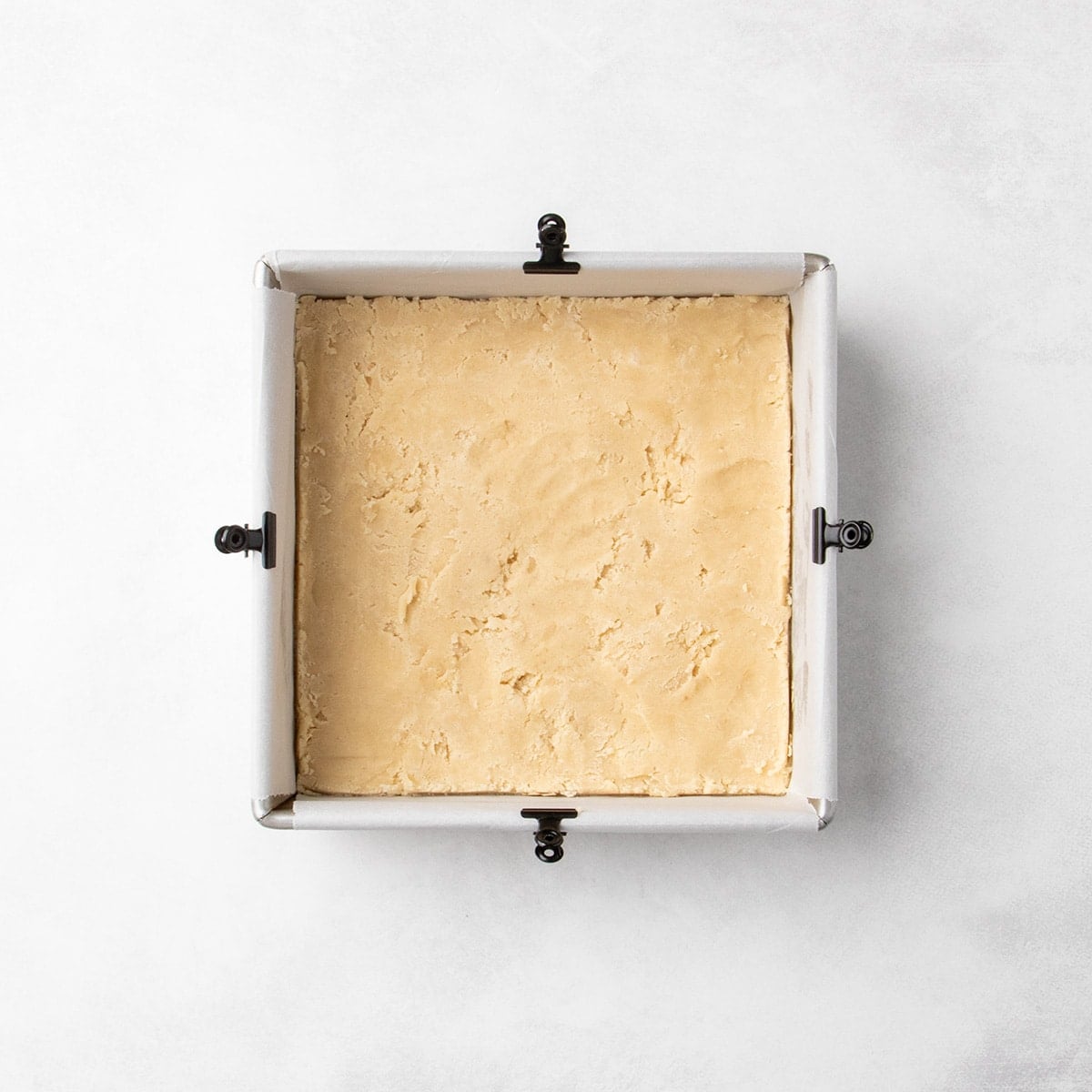
Scatter the raw shortbread mixture across the bottom of a carefully greased and lined pan, spread it into an even layer, then run a knife or small offset spatula around the perimeter. This separation will make it easier to peel away the paper from the finished bars.
Bake the shortbread layer
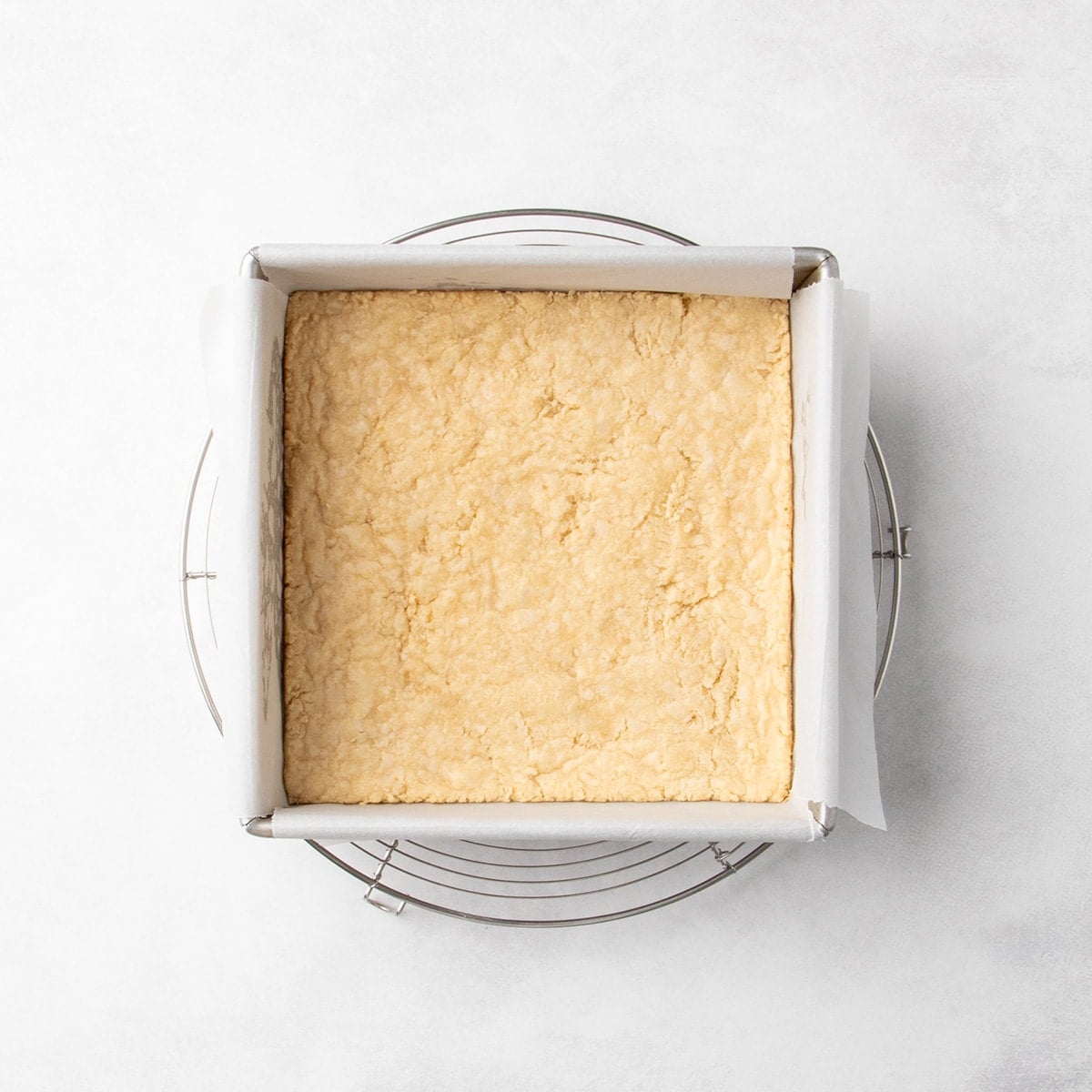
Bake at a low 325°F/163°C for about 18 minutes, or until the shortbread is set all the way to the center. It's a thin layer of cookie, so you can watch it become matte, not shiny, from the outside in. Let it cool while you make the caramel layer.
Melt the butter in the caramel mixture
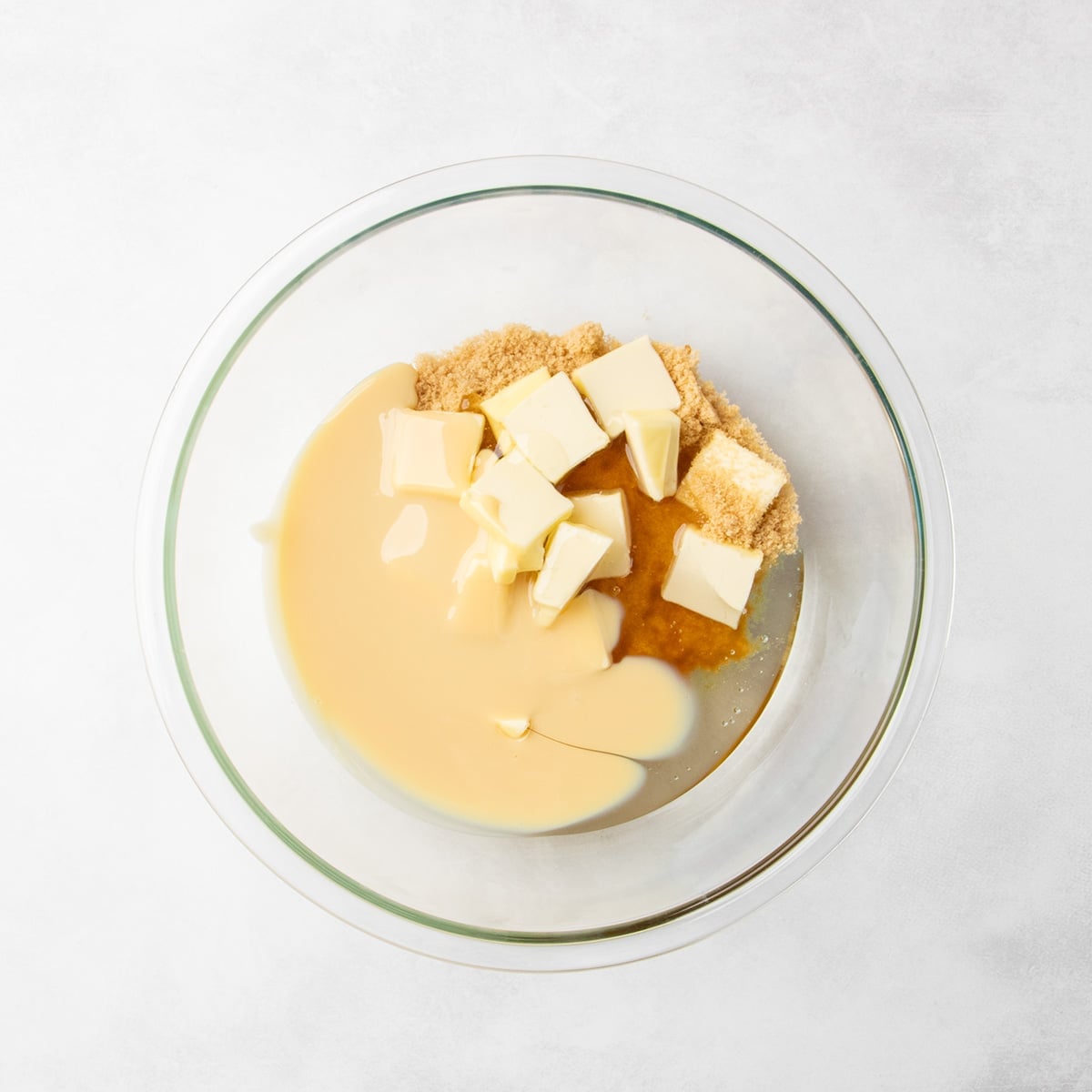
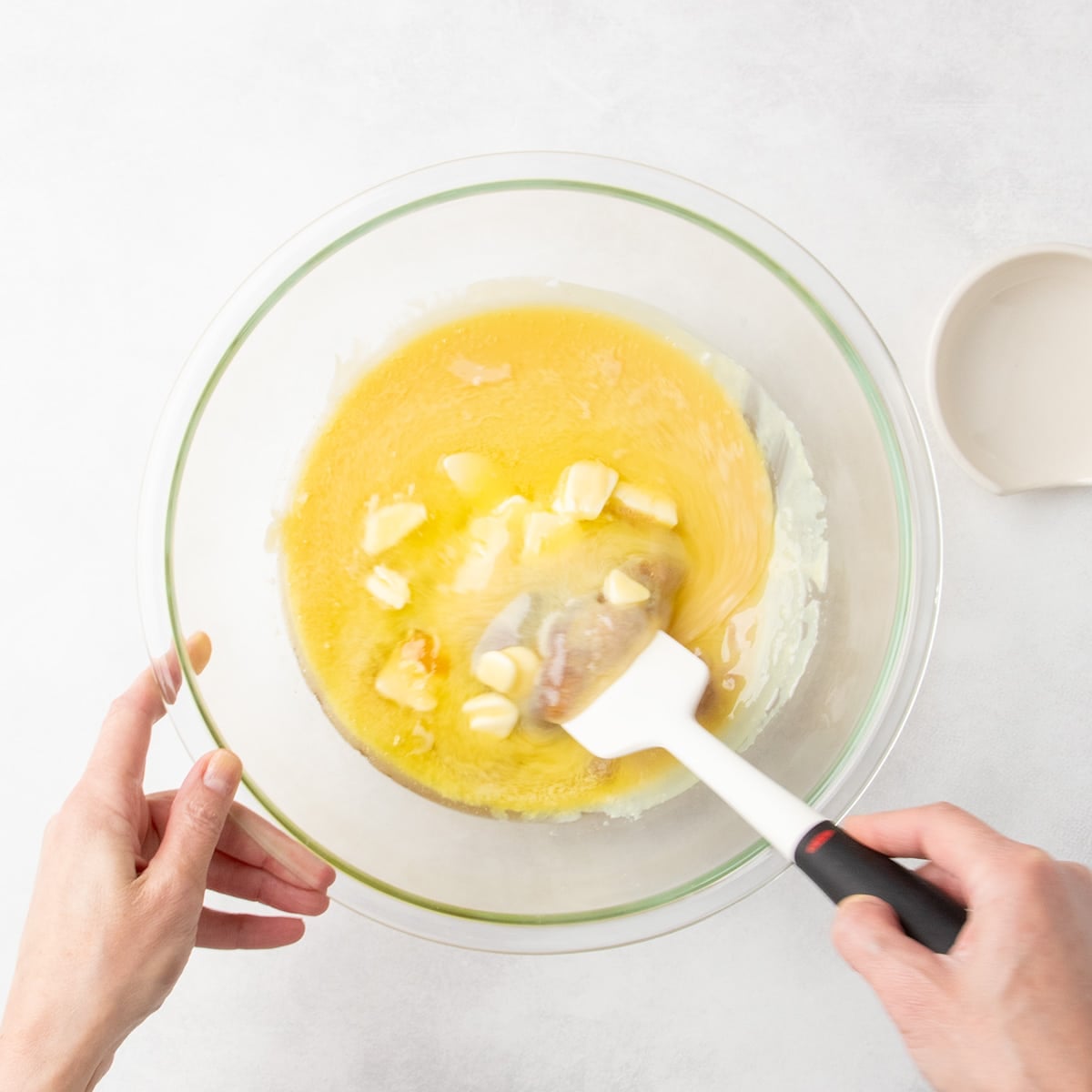
Place all of the caramel ingredients (brown sugar, butter, sweetened condensed milk and corn syrup) in a large, microwave safe bowl (or see below for stovetop instructions). Use a large bowl since the mixture will bubble up. Microwave for about 1 minute on high power just to melt the butter, then stir until you have a smooth mixture.
Cook the caramel mixture
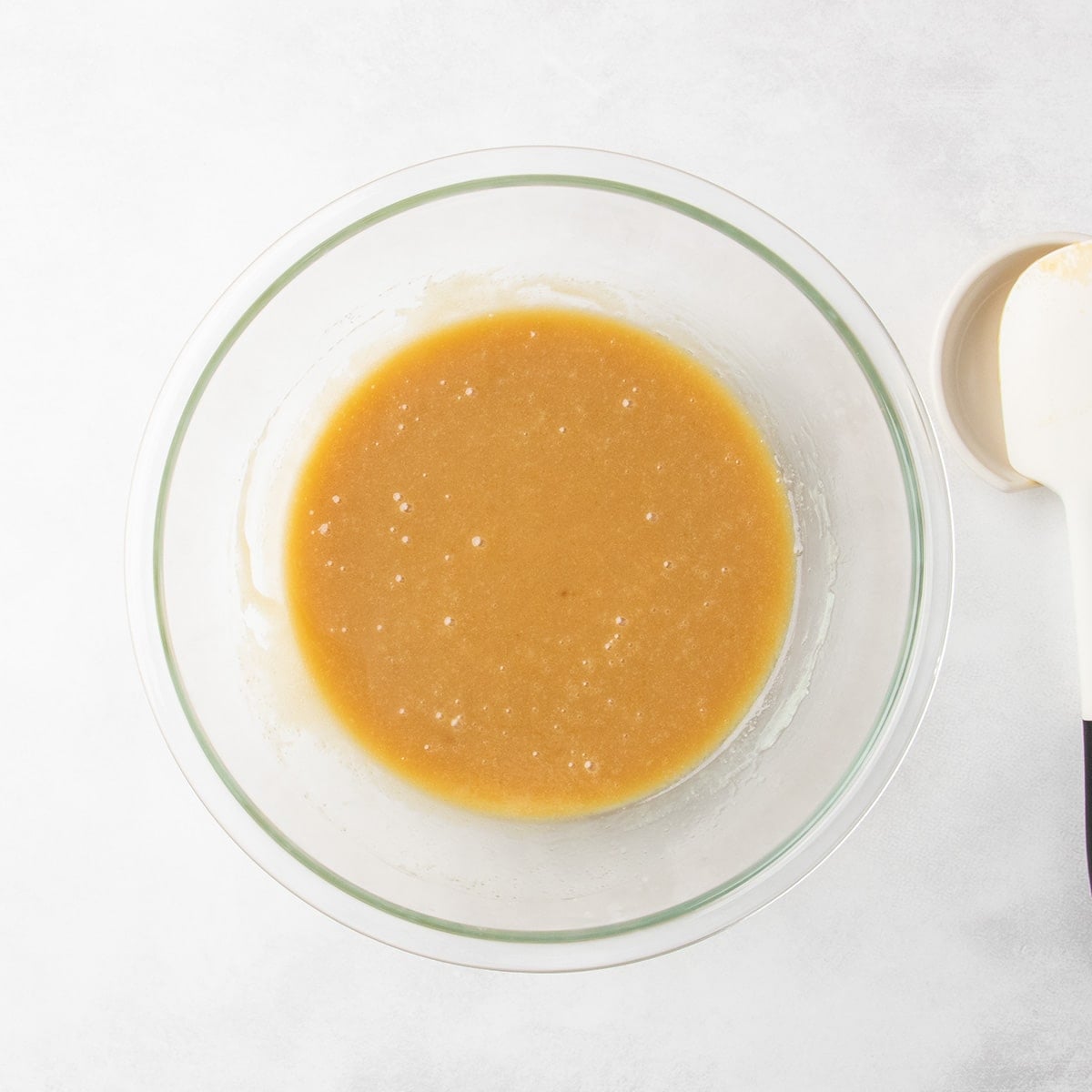
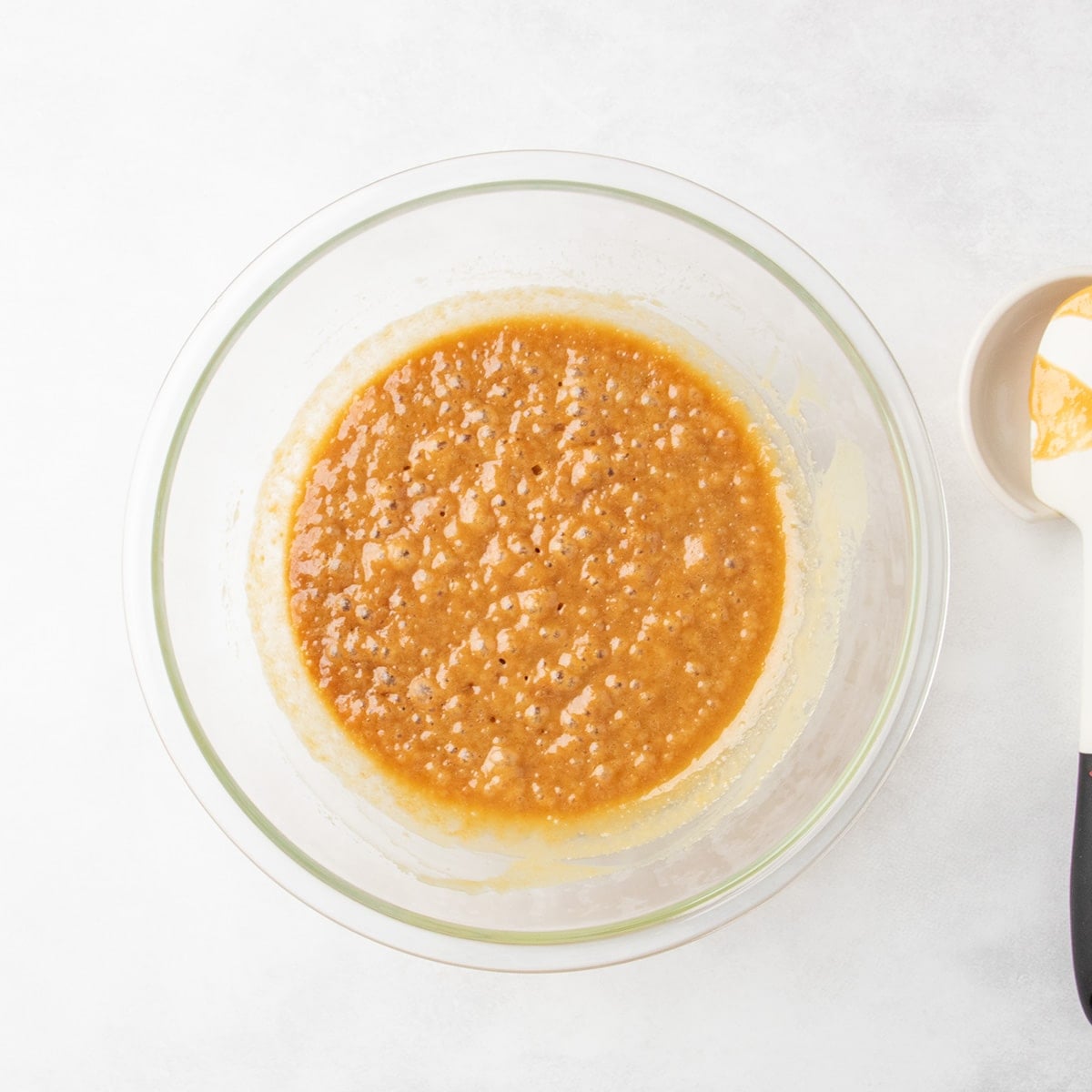
Cook the now-smooth mixture in the microwave for 5 minutes on high power. This is the bulk of the cooking where the sugar breaks down as moisture cooks off and it starts to change state. It will bubble and become a bit darker in color. Stir the mixture in case there are any hot spots, which the microwave tends to create.
Boil the caramel again
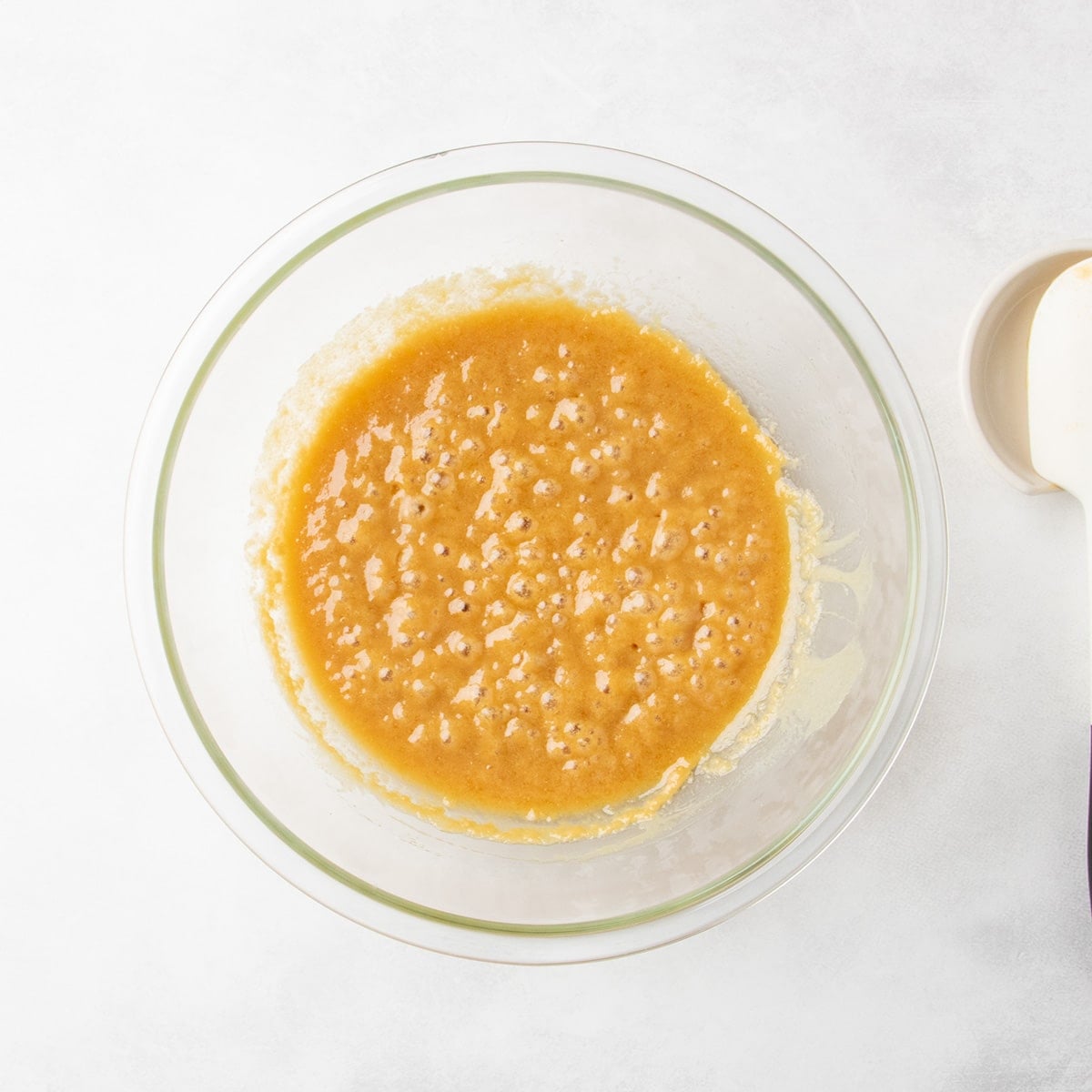
Microwave again on high power for until the mixture has started to darken in color more. I like to stir after 2 minutes to see if it's darkened on the bottom, and then continue cooking if necessary for up to another 2 minutes. This is how I avoid cooking it too far past the “soft ball” stage of 235°F, which is a chewy caramel that doesn't break your teeth!
Pour the caramel
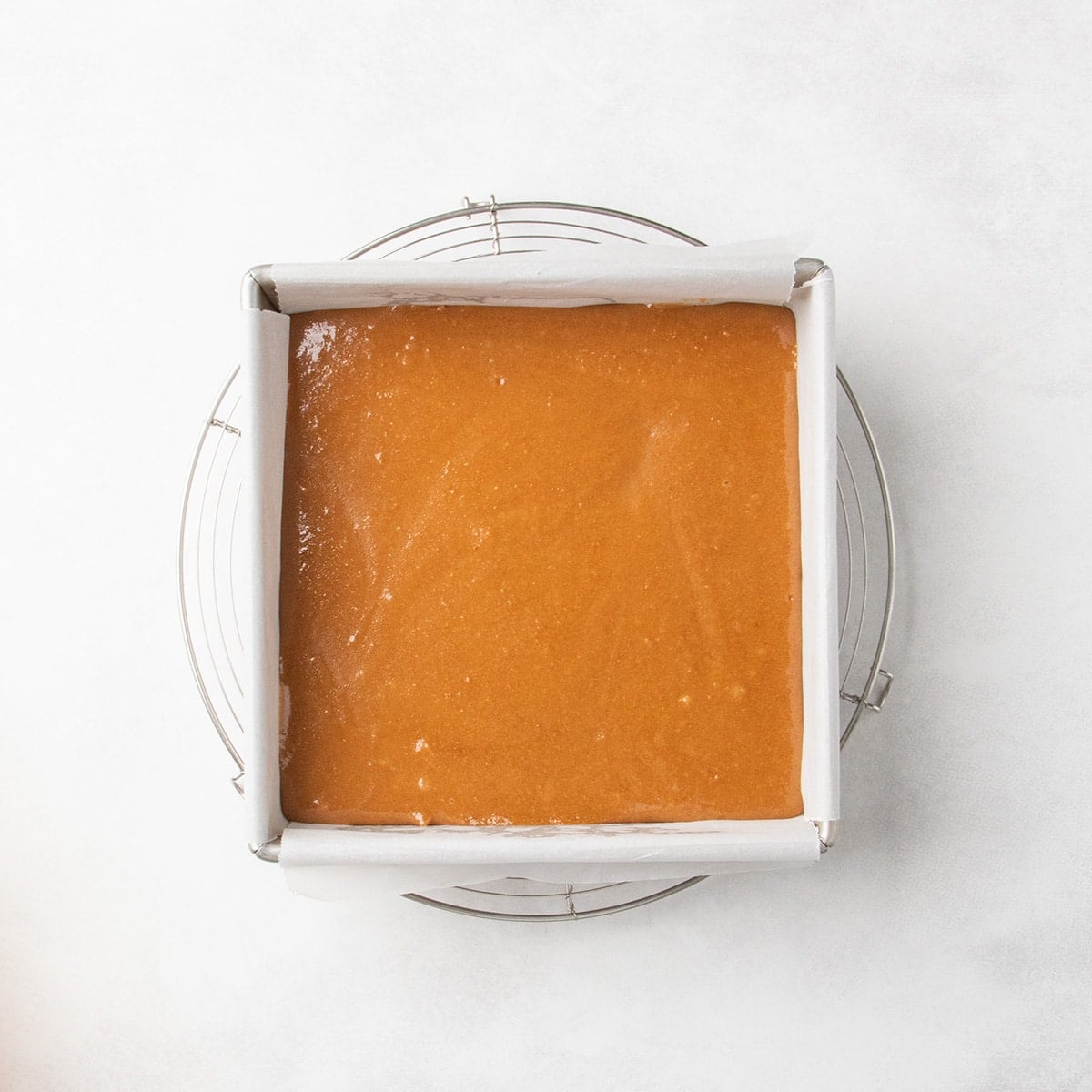
Stir the caramel so it's evenly cooked and pour it over the shortbread layer in the baking pan. Let it set as you make the next layer so the layers stay distinct in the bars.
Combine the chocolate ganache
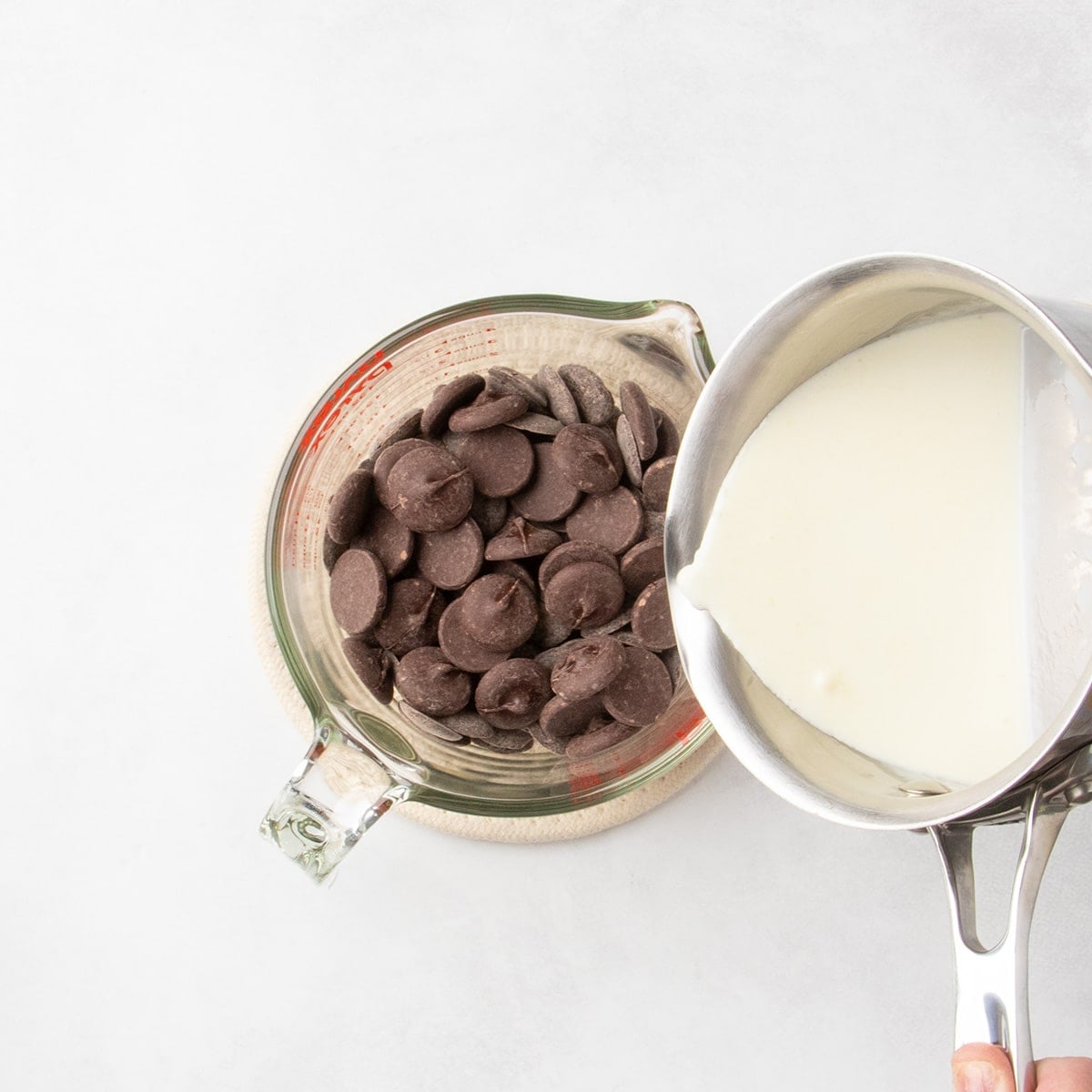
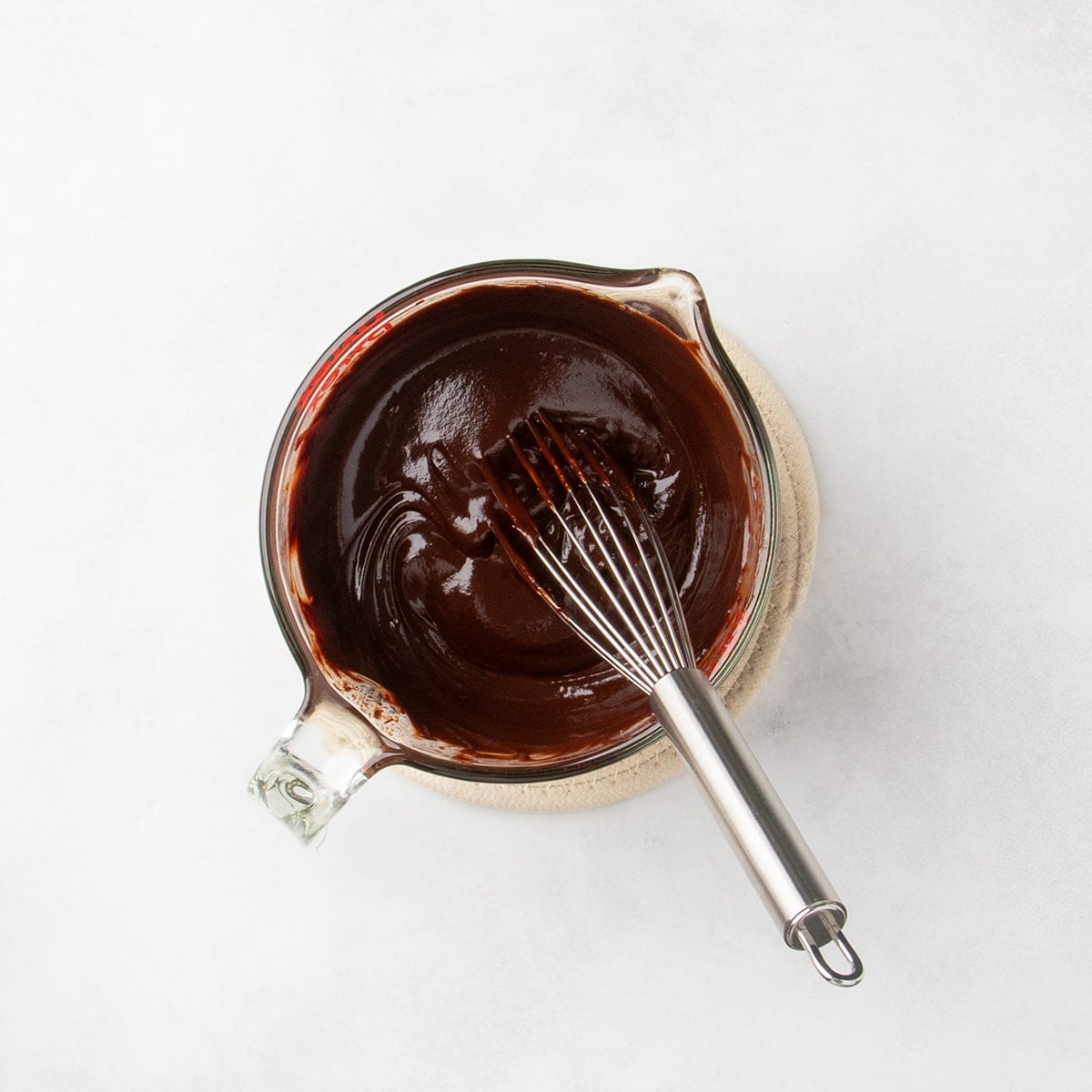
Heat heavy whipping cream to a gentle simmer over low heat so it is heated through but doesn't form a skin. Pour over chocolate pieces in a heat-safe bowl, ensuring that all the chocolate is covered. Let the cream sit to melt the cocoa butter.
Combine the chocolate and cream
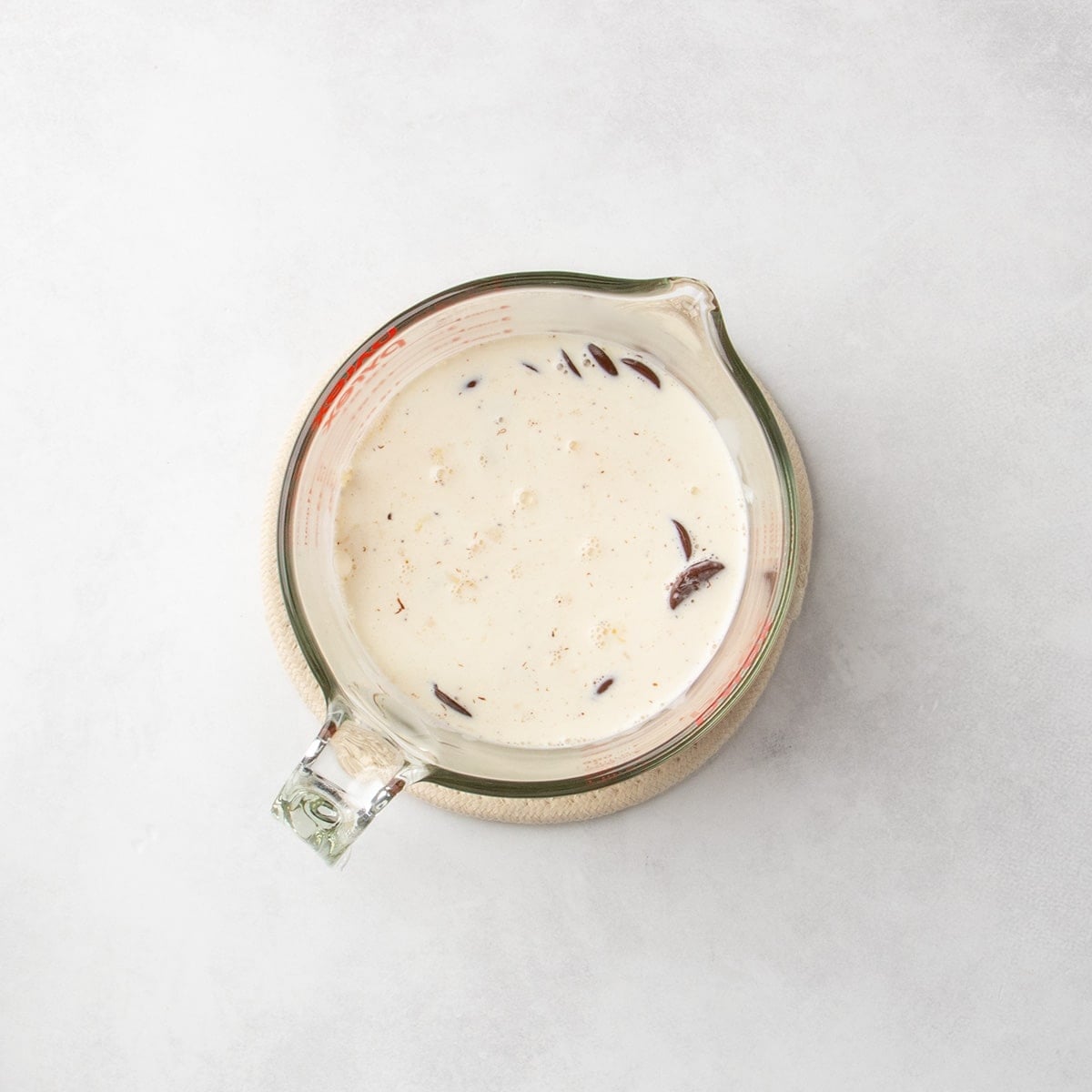
Stir or whisk the cream and chocolate together into a smooth emulsification. For the smoothest layer, you can use an immersion blender, but it's not really necessary.
Pour the ganache
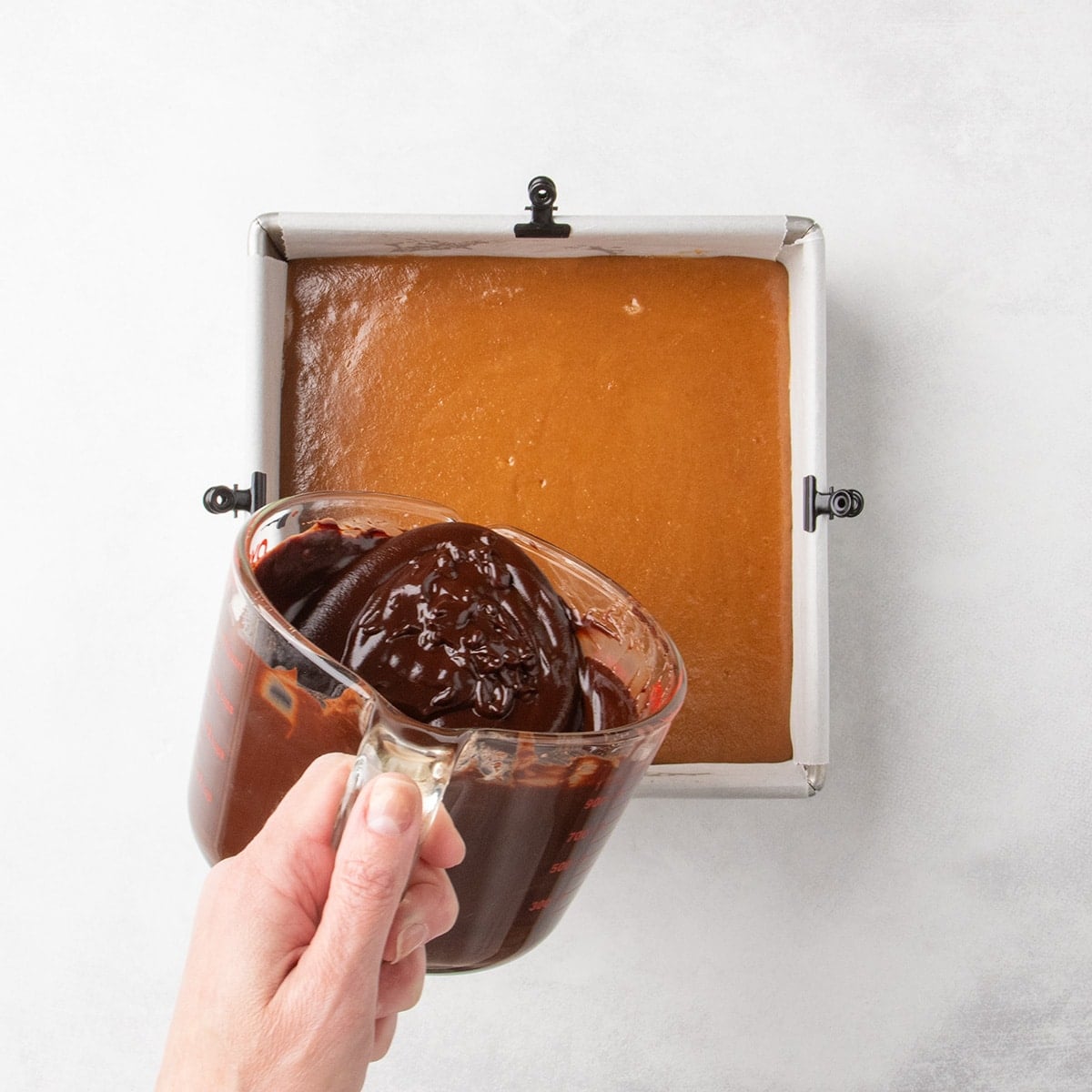
Pour the smooth, melted chocolate over the partially set caramel layer and spread it into an even layer.
Let set
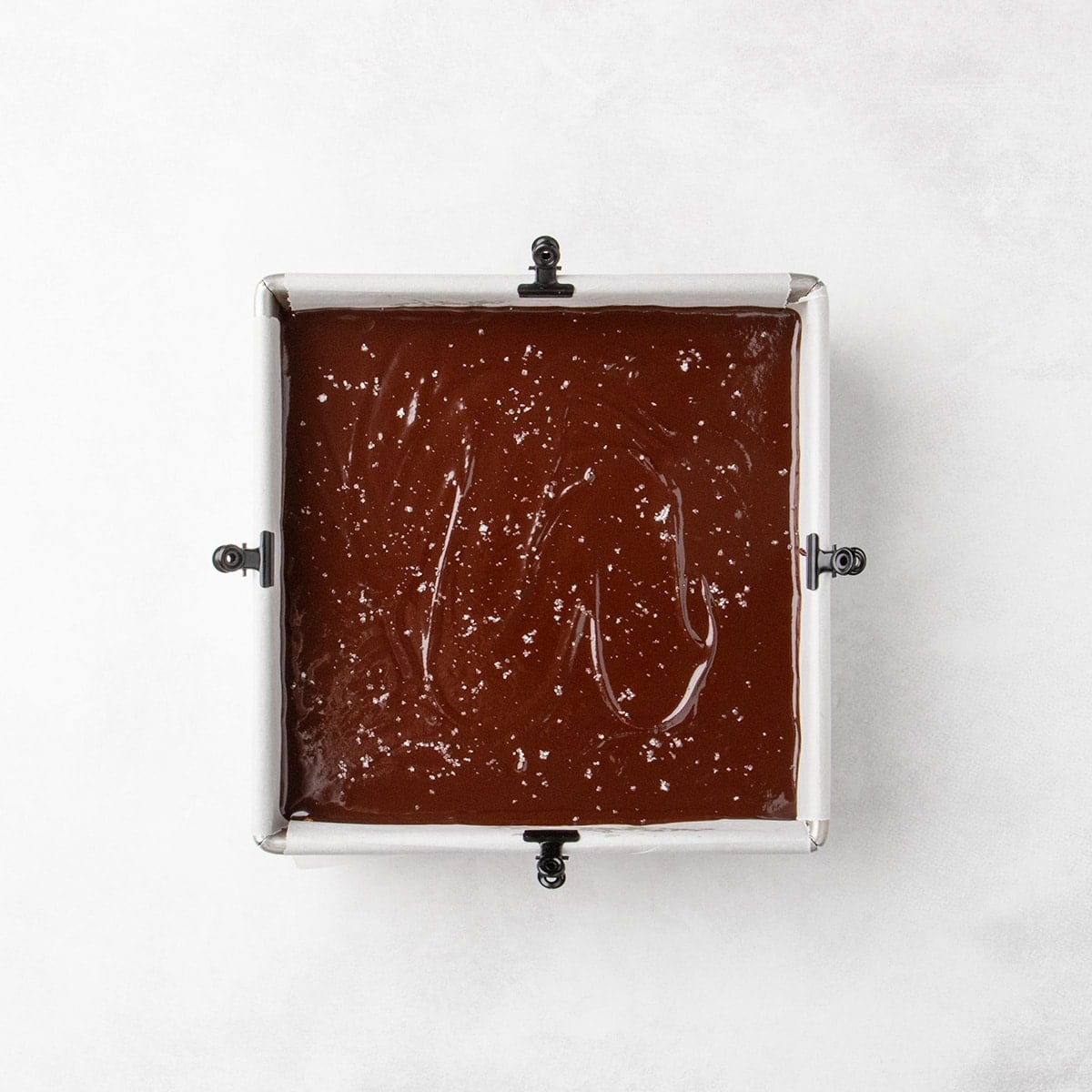
I prefer to avoid putting anything hot in the refrigerator, so I let the bars set at room temperature first. Before the chocolate sets, try sprinkling the layer lightly with some coarse salt for a nice salty-sweet flavor balance.
Chill and slice
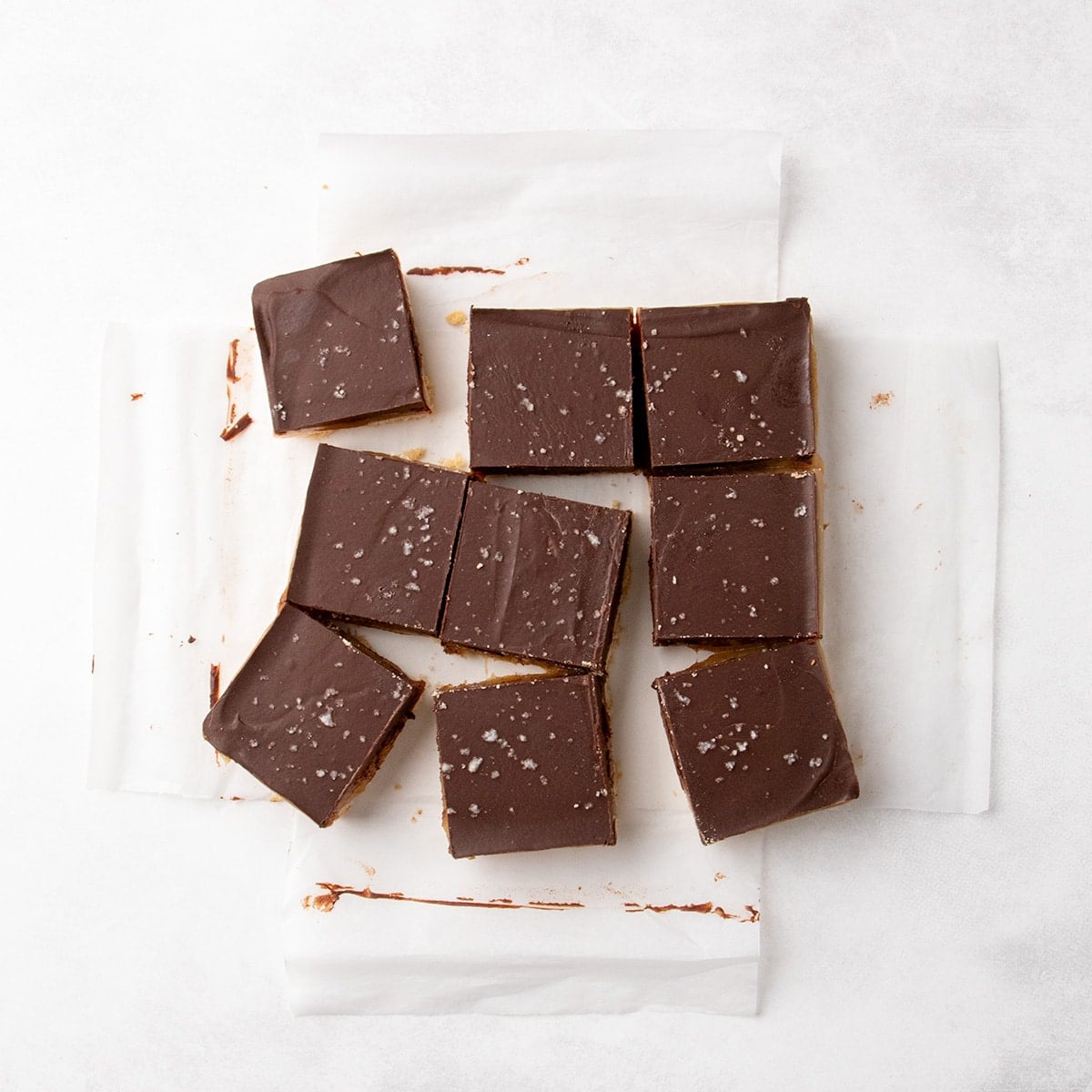
These bars can be served at room temperature and everything should hold its shape, but the caramel and chocolate layers are much easier to slice when they're chilled.
Expert tips
Try some shortcuts
For the shortbread layer, instead of baking a cookie layer, try crushing 8 ounces Schar or Walkers brand gluten free shortbread cookies into crumbs, and adding 8 tablespoons melted butter in the style of our gluten free graham cracker crust. For the caramel layer, melt the unwrapped caramels from one 11-ounce bag Kraft caramels with 1/4 cup (2 fluid ounces) milk and 4 tablespoons (56 grams) butter, whisking frequently until smooth.
If you don't have a microwave
You can make the caramel layer on the stovetop. You'll need an instant read candy thermometer to judge doneness, and it should turn amber in color. Dice the butter and place all of the caramel ingredients in a medium, heavy bottom saucepan. Bring to a gentle boil over low heat until the butter is melted. Increase the heat to medium and continue to cook the mixture without stirring for 8 to 10 minutes or until it reaches 235°F/113°C.
Avoid chocolate chips
You can use chocolate chips in the chocolate layer, but they have more stabilizers in them that are meant to prevent melting. They have a tendency not to melt fully especially in ganache, where the heat of lightly simmered cream is the only melting agent.
Ingredient substitutions
If you need to make this recipe without additional allergens or you have ingredient preferences, here are my suggestions:
Dairy free
In place of the butter in the shortbread and caramel layers, try block-style vegan butter (Melt and Miyoko's brands are usually best) or half butter-flavored shortening and half Earth Balance buttery sticks (and reduce or eliminate the salt). For sweetened condensed milk, try dairy free sweetened condensed milk from Nature's Charm or Let's Do Organic dairy free varieties. For the chocolate layer, use dairy free whipping cream or coconut cream and make sure your chocolate is dairy free.
Corn syrup
Light corn syrup can sometimes be confused with high fructose corn syrup, but they're entirely different. If you need to avoid using corn syrup, you can use glucose syrup or Lyle's Golden Syrup in its place. Lyle's will add some additional flavor that not everyone will like, though. You can try using honey, but it's much less useful in preventing sugar crystallization.
Storage instructions
The bars will keep for over a week in the refrigerator if they're well-sealed. I like to wrap each bar individually in plastic wrap, but you can place them all in a single layer in a glass container with a tight-fitting lid.
For longer storage, wrap tightly in freezer-safe wrap and freeze for up to 3 months. Defrost in the refrigerator or at room temperature, then serve.
Gluten Free Millionaire's Shortbread
Ingredients
For the shortbread layer
- 8 tablespoons (112 g) unsalted butter, at room temperature
- ⅓ cup (73 g) packed light brown sugar
- ⅛ teaspoon kosher salt
- 1 ¼ cups (175 g) all purpose gluten free flour blend, (See Recipe Notes)
- ⅓ teaspoon xanthan gum, (omit if your blend already contains it)
For the caramel layer
- 8 tablespoons (112 g) unsalted butter, chopped
- 1 ¼ cups (273 g) packed light brown sugar
- ½ cup (168 g) light corn syrup
- 7 ounces (196 g) sweetened condensed milk, (1/2 can)
For the chocolate layer
- 12 ounces (336 g) bittersweet or dark chocolate, chopped or melting disks
- ¾ cup (6 fluid ounces) heavy whipping cream
- Coarse salt, for finishing (optional)
Instructions
- Preheat your oven to 325°F. Grease and line an 8-inch square baking pan with parchment paper, then set the pan aside.
Make the shortbread
- In a large bowl, place the butter, brown sugar, and salt. Beat with a handheld mixer or stand mixer fitted with the paddle attachment on medium-high speed until light and fluffy (about 3 minutes).
- Add the flour blend with xanthan gum, and mix until just combined. The dough will seem crumbly at first, but just keep mixing until it comes together.
- Transfer the cookie dough to the prepared baking pan, and use a small offset spatula or knife to spread it into an even layer. Run it around the perimeter of the pan to create some separation.
- Bake in the center of the preheated oven until lightly golden brown on the edges and set all the way to the center (about 18 minutes). It’s set in the center when it no longer shines.
- Remove the pan from the oven and set it aside to cool briefly.
Make the caramel
- Place all of the caramel ingredients in a large microwave-safe bowl. Use the largest bowl that will fit into your microwave since the mixture will bubble as it cooks.
- Place the bowl in the microwave and cook on high power for 1 minute or until the butter is completely melted. Mix to combine.
- Microwave again on high power for 5 minutes. Remove from the microwave and mix again.
- Microwave again on high power for another 2 to 4 minutes or until done. It's done when the mixture has begun to turn a bit more amber in color and can be pressed into a soft ball when dropped in a bowl of cold water.
- Pour the hot caramel mixture into an even layer on top of the cooled shortbread.
- Bang the pan flat on the counter to break any large air bubbles. Allow to set at room temperature.
Make the chocolate layer
- Place the chocolate pieces in a medium-sized, heat-safe bowl.
- Bring the cream to a simmer over low heat on the stovetop (or in the microwave) and pour it over the chopped chocolate.
- Allow the mixture to sit for about 1 minute, then stir or whisk until smooth.
- Pour the chocolate over the cooled caramel layer and spread it into an even layer. Bang the pan flat on the counter a few times to break any large air bubbles.
- Allow to sit for about 5 minutes before sprinkling with the optional coarse salt.
Chill and slice
- Allow the bars to chill for about 30 minutes at room temperature or until no longer hot to the touch.
- Refrigerate until the bars are firm enough to hold their shape when lifted out of the pan (about 1 hour).
- Slice into 9 equal squares with a sharp knife, and serve chilled or at room temperature.
- If the caramel layer is hard to bite or slice after chilling, allow to sit at room temperature for 10 minutes before slicing or serving.
Notes
Nutrition
Nutrition information is automatically calculated, so should only be used as an approximation.










Hi Nicole, thanks for the great recipe! I appreciate some of the “shortcut” suggestions and am wondering about the third 56gr. ingredient, which I don’t see listed in your “Try some Shortcuts” paragraph. I have caramels and would like to use them. Can’t wait to try this recipe! Thanks in advance for your reply.
Hi, Patty, it’s 4 tablespoons (56 grams) unsalted butter melted with the Kraft caramels and milk for the caramel layer. Thank you so much for pointing that out!